
Following death, a series of natural biological processes commence within the human body, including cooling, paling, and stiffening, a phenomenon known as rigor mortis.
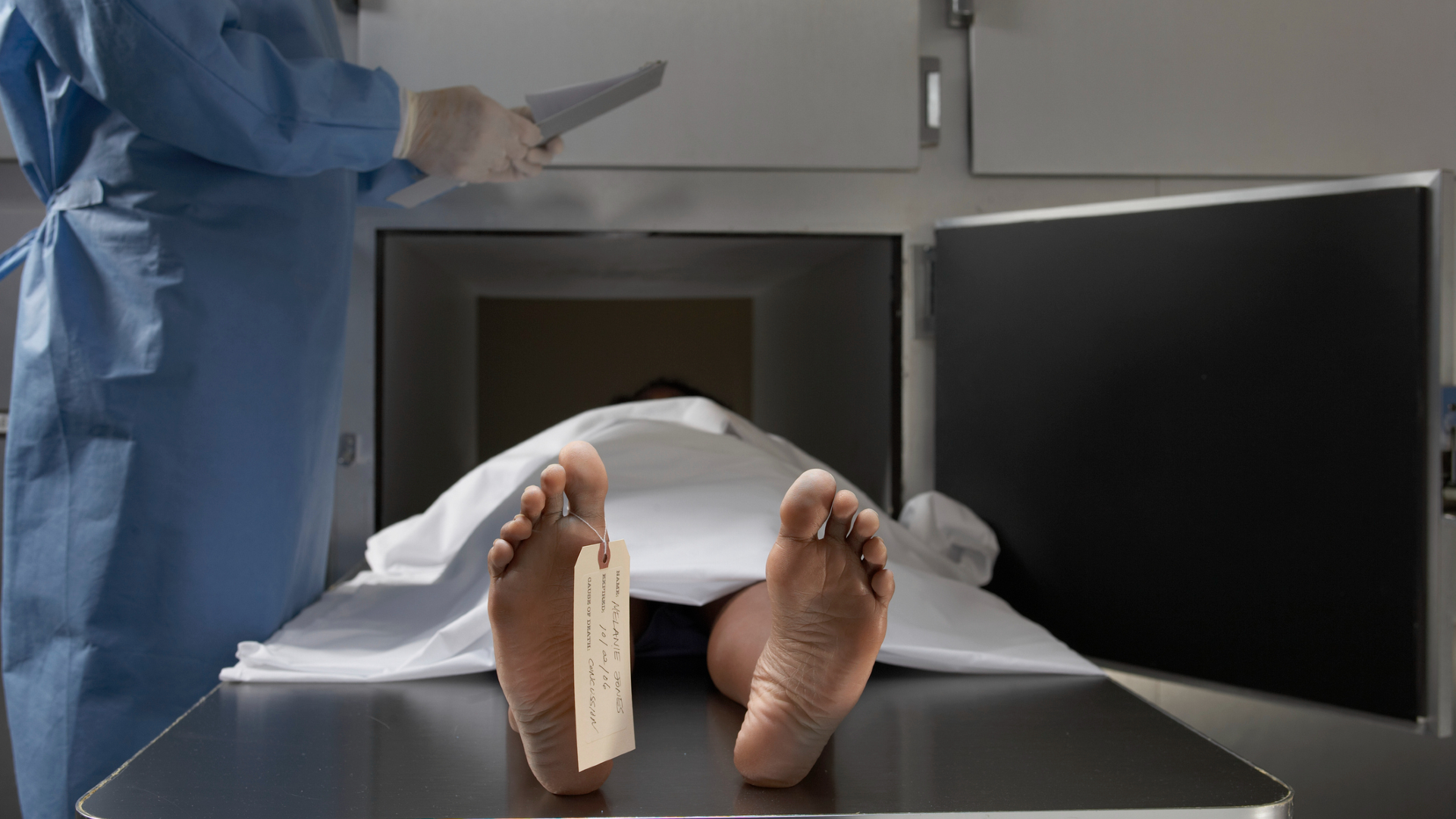
After death, the body ceases ATP production, leading to the depletion of this essential energy molecule within a couple of hours. ATP is crucial not only for movement but also for muscle relaxation. As ATP levels drop, muscle filaments begin to adhere to one another.
While rigor mortis begins in all muscles immediately after death, it typically takes several hours for this stiffening to become visibly apparent. Stiffness first manifests in the smaller facial muscles, progressing to larger muscles in the hands, arms, neck, and chest over the next six to twelve hours. Full-body rigor mortis, affecting the lower body, occurs between 12 and 24 hours post-mortem.
Rigor mortis is a transient phase, lasting approximately 24 to 48 hours before dissipating as decomposition begins. The muscles then relax, returning to a flaccid state as protein structures break down. This relaxation follows the reverse order of stiffening, starting with the face and hands.
The timeline and intensity of rigor mortis are influenced by various factors, including ambient temperature, the deceased's age, activity level at death, overall health, body composition, and medications. These variables mean that no two cases exhibit identical timelines.
Forensic pathologists utilize the timing of rigor mortis as a valuable tool for assessing death scenes. Discrepancies between observed rigor mortis and believed circumstances can prompt further investigation and uncover critical details.