UK BioBank
-
 health
Major Study Links Coffee to Stronger Liver Health and Reduced Disease Risk
New research suggests drinking coffee daily is linked to a significantly lower risk of severe liver disease, liver cancer, and liver-related death.
-
 health
Coffee Linked to Significant Reduction in Liver Disease Risk
A large-scale study finds heavy coffee consumption is associated with a nearly 50% lower risk of liver cancer and substantial protection against cirrhosis and liver-related death.
-
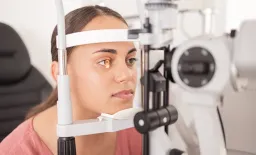 health
AI-Driven Retinal Imaging Reveals Links to Cardiovascular and Neurodegenerative Diseases
New research highlights how AI-derived retinal features may predict systemic disease risks, advancing early detection and stratification strategies.
-
 health
Accelerated Biological Aging Linked to Rising Early-Onset Cancer Risk
Recent studies link accelerated biological aging with increased risk of early-onset cancers, highlighting generational shifts in cancer susceptibility.
-
 health
Fatherhood Rewires the Male Brain for Cognitive Longevity and Health
USC research reveals active fatherhood slows brain aging, enhances cognitive function, and builds essential social capital, offering measurable health benefits that outperform traditional wellness metrics.
-
 health
Retinal Imaging AI Detects Early Alzheimer’s Risk Factors Years Before Diagnosis
University of Florida researchers utilized machine learning on UK Biobank retinal photos to identify vascular and neural biomarkers predicting Alzheimer’s risk decades before clinical symptoms appear.
-
 health
Imperial College London AI Identifies Six Cardiac Motion Phenogroups Predicting Heart Disease
Researchers utilized 4D motion analysis and AI on UK Biobank data to identify six distinct left ventricular phenogroups, offering new predictors for cardiovascular risk and genetic susceptibility beyond traditional volumetric measurements.
-
 health
Study Identifies Optimal Daily Steps to Counteract Sedentary Health Risks
New research from the University of Sydney and UK Biobank reveals that 9,000 to 10,000 daily steps significantly reduce cardiovascular disease and mortality risks for highly sedentary adults.