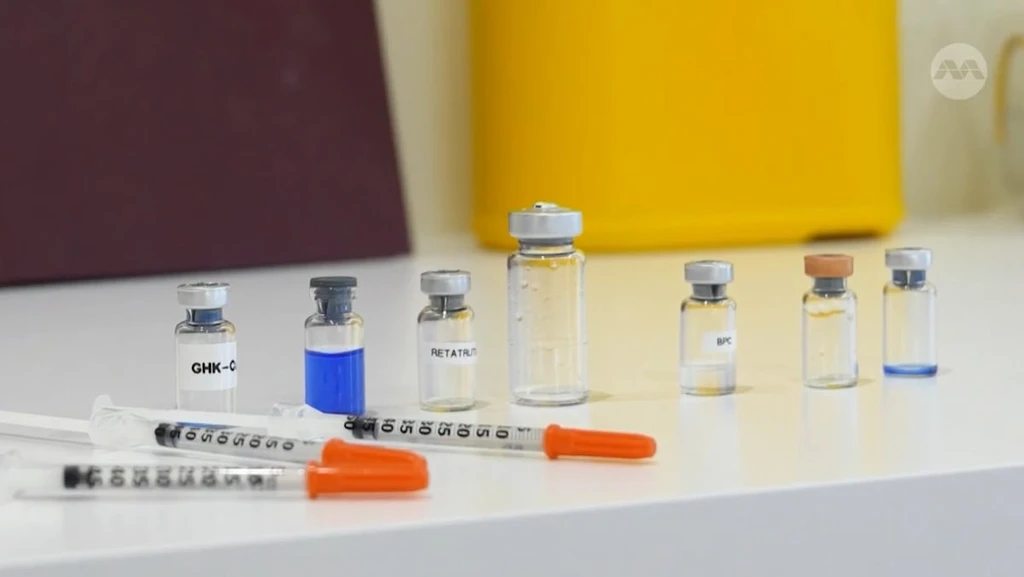
SYDNEY - The global demand for unapproved peptides is surging, fueled by social media trends promoting them for wellness, anti-aging, and muscle growth. Consumers in Australia, the U.S., the U.K., and parts of Asia are turning to the grey market, bypassing prescriptions and clinics.
Karla Commens, a Sydney resident, says prices have dropped dramatically. "Four years ago, you would pay about $180 to $300. Now you can find them for $60 online." Another anonymous buyer told CNA he purchased peptides through an unverified website, with no way to confirm their contents or safety.
Peptides are small protein fragments that act as messengers in the body. Medically, some are prescription drugs for diabetes and obesity, like insulin and Ozempic. But the boom is in unapproved versions sold online for weight loss and muscle gain.
Australia's Therapeutic Goods Administration warns imports are rising, with side effects including severe allergic reactions and infections requiring hospitalization. Professor Richard Payne, from the ARC Centre of Excellence for Innovations in Peptide and Protein Science, says the craze risks undermining legitimate medical research. "There is some really brilliant science happening in peptide drug discovery," he noted, pointing to over 80 FDA-approved peptide drugs.
Some clinicians are stepping in. Sydney-based longevity doctor Taylor Kline has launched a legal peptide business for supervised, evidence-based care. The Royal Australian College of General Practitioners is now looking into the issue as more patients ask about peptide treatments.
Dr. Beng Eu, a GP in Melbourne, says knowledge gaps remain. "GPs will need to update their knowledge about peptides in the future."
For now, demand is outpacing science and safeguards, raising questions about regulation and safer access.