
Growing up in the lower middle class instills habits that persist even after financial circumstances improve. These individuals often check menu prices discreetly before dining out, driven by deeply ingrained mental processes rather than current financial need. Here are six key calculations they make:
- Exit Cost: Estimating the maximum potential expense, including hidden costs like appetizers or wine splits.
- Social Debt Ledger: Assessing who will pay and planning how to reciprocate later.
- Belonging Audit: Scanning for cues about dress codes, reservations, and unwritten rules to fit in.
- Order Optimization: Choosing items that won't draw attention, balancing affordability with social invisibility.
- Tip Math: Calculating total costs including tips and taxes before ordering.
- Justification Narrative: Crafting stories to rationalize spending on meals that exceed their internal thresholds.
These calculations reflect a fluency in reading economic environments, developed through childhood experiences with limited resources. They are not irrational but rather a survival skill honed over time.
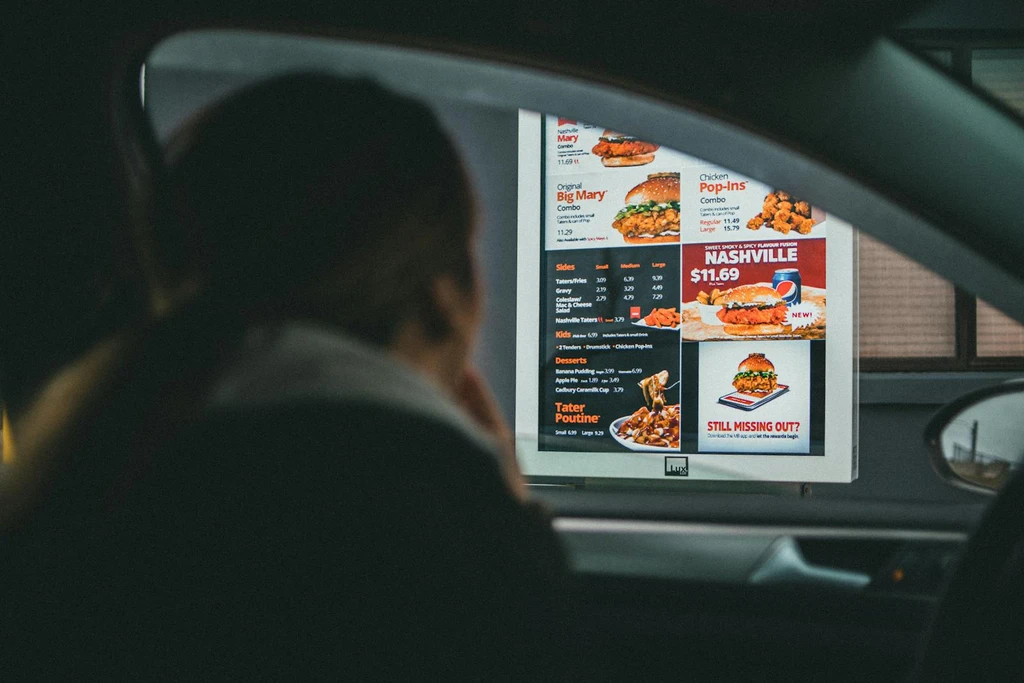
Photo by Jonathan Cooper on Pexels

Photo by cottonbro studio on Pexels