
A growing number of middle-aged women are finding profound mental health benefits by returning to raves and club culture.
A 2025 University of Leeds study surveyed 136 women aged 40-65, finding that 82% had been attending raves for over 20 years. Many report the experience combats anxiety, depression, and low mood.

"Going out on the dancefloor is healing," says psychotherapist Rachel Giddings. She notes inclusive dance spaces create a "liminal space where time dissolves," fostering belonging regardless of age or status.
For women navigating the "sandwich era" of caring for children and aging parents, the all-night dance offers a transcendent reset. The physical movement synchronizes with the music's beat, creating powerful emotional and social bonding experiences.
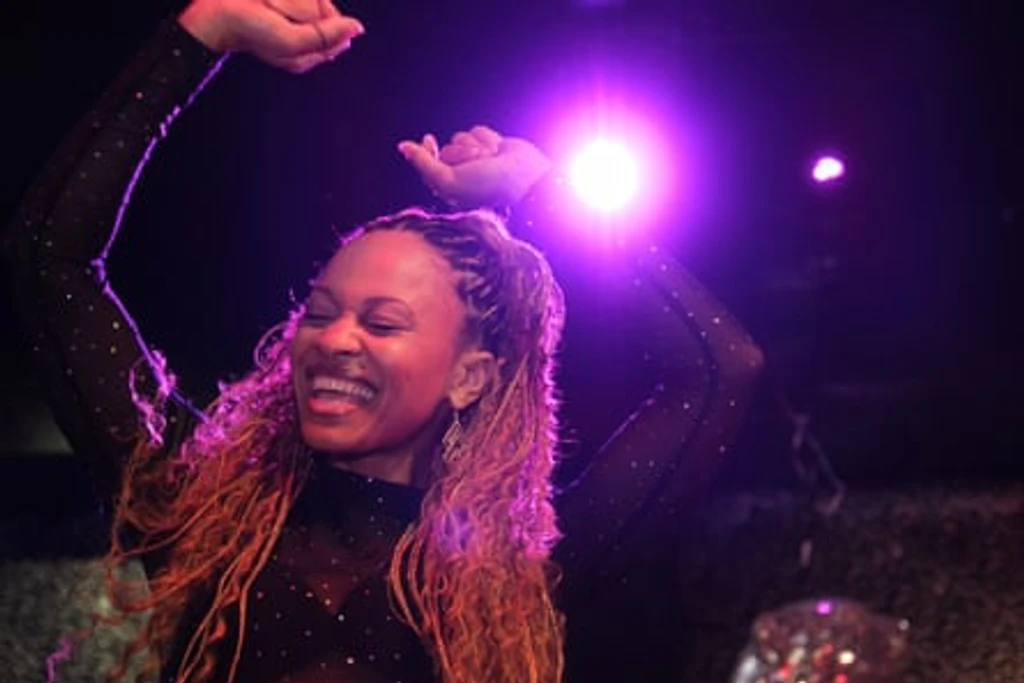
"When you go into an inclusive dance space, you can enter a liminal space where time dissolves and everybody is treated as an equal." - Rachel Giddings, Psychotherapist
While some face internalized ageism or comments like "Whose mum are you?", negative attitudes are not a defining part of their participation. Many find the modern club scene cleaner and more inclusive than in previous decades.
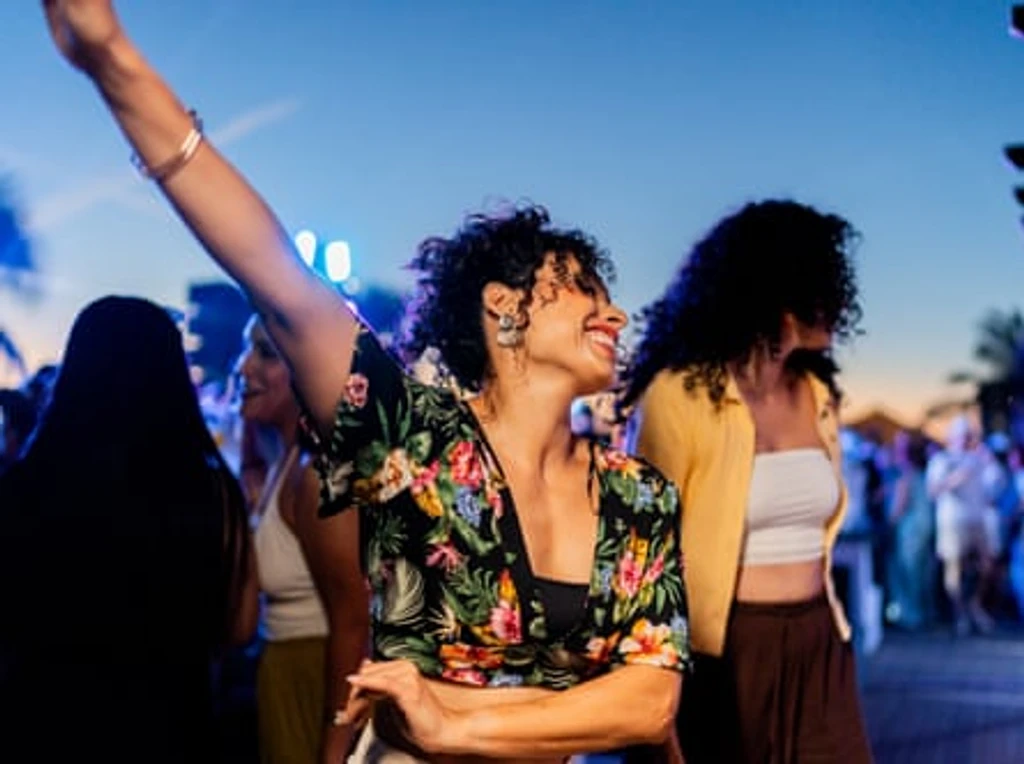
"People moving together increases social connection and bonding." - Alinka Greasley, Professor of Music Psychology, University of Leeds
The phenomenon also appeals to health-conscious Gen Z. Early-evening "dayglow" raves now accommodate older schedules, allowing participants to dance for hours and be home by midnight.