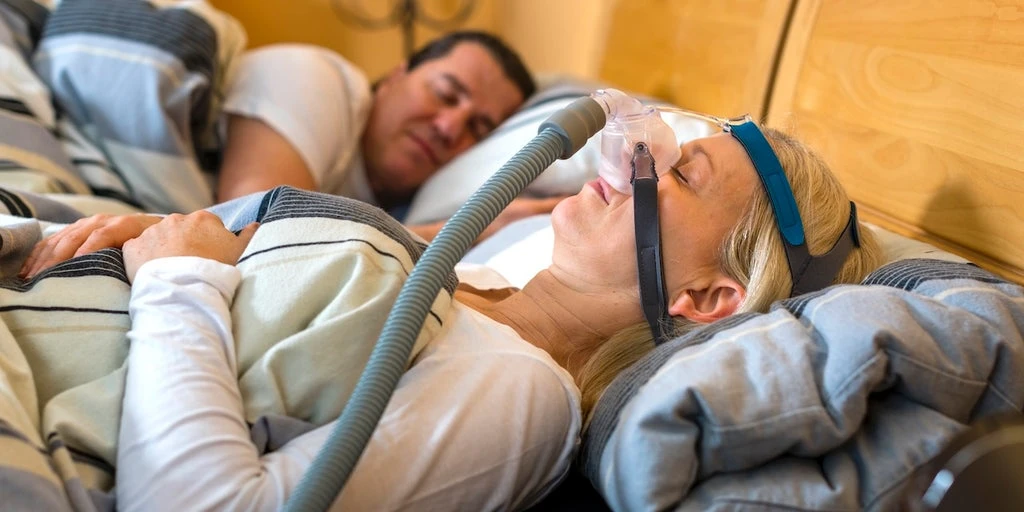
Researchers in Israel have discovered a surprising physical change in people with obstructive sleep apnea (OSA). A new study published in Sleep and Breathing finds that individuals with OSA tend to have a higher muscle mass index but lower muscle density. This suggests they may appear more muscular, but that muscle is often less functional.

Analyzing data from 209 adults, the team found that while OSA patients had more muscle area relative to height, the quality was compromised. Worse sleep apnea severity correlated with higher skeletal muscle index (SMI) but lower skeletal muscle density (SMD).
Dr. Wendy Troxel, a clinical psychologist at RAND, noted that this pattern overlaps with sarcopenia-where muscle becomes weaker even if size doesn’t decline. She emphasized that OSA is much more than a nighttime breathing disorder, potentially signaling underlying metabolic dysfunction.
Study co-author Ariel Tarasiuk from Ben-Gurion University called the findings paradoxical. Age and obesity had a stronger influence on muscle health than OSA alone. However, treating sleep apnea remains critical. Tarasiuk stressed that CPAP therapy improves breathing and sleep, but maintaining a healthy weight and staying active are equally important for muscle health and reducing apnea severity.
Clinicians are reminded that larger muscles aren't always healthier-some may be infiltrated with fat, impairing strength. The study calls for a holistic approach combining airway treatment with weight management and physical activity.