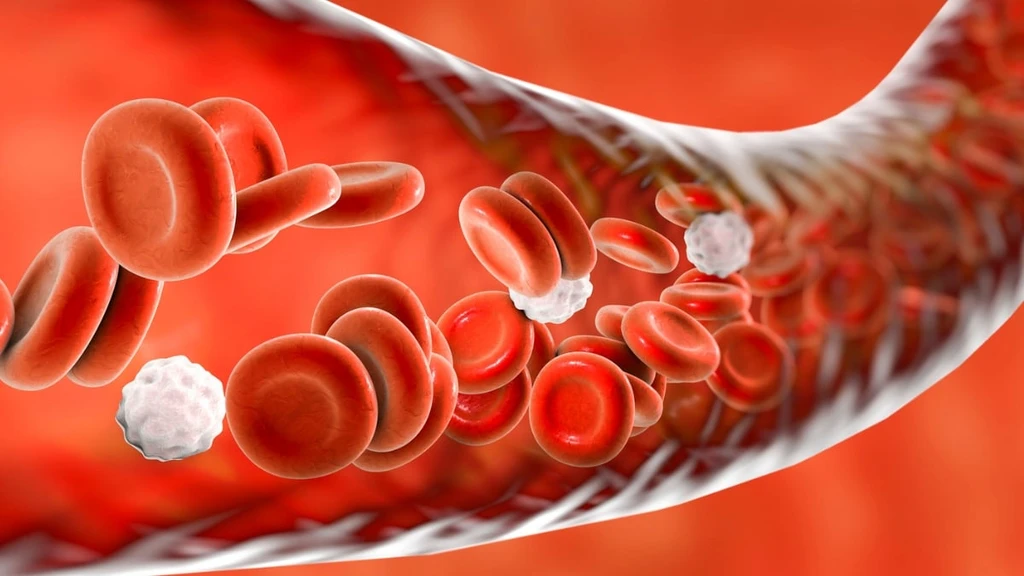
Researchers have identified a specific brain region, the lateral parafacial (pFL), as a potential contributor to high blood pressure. This area is linked to breathing control and has been shown in animal studies to tighten blood vessels, a combination that may drive hypertension in some individuals. This discovery could explain why certain patients do not respond adequately to existing medications.
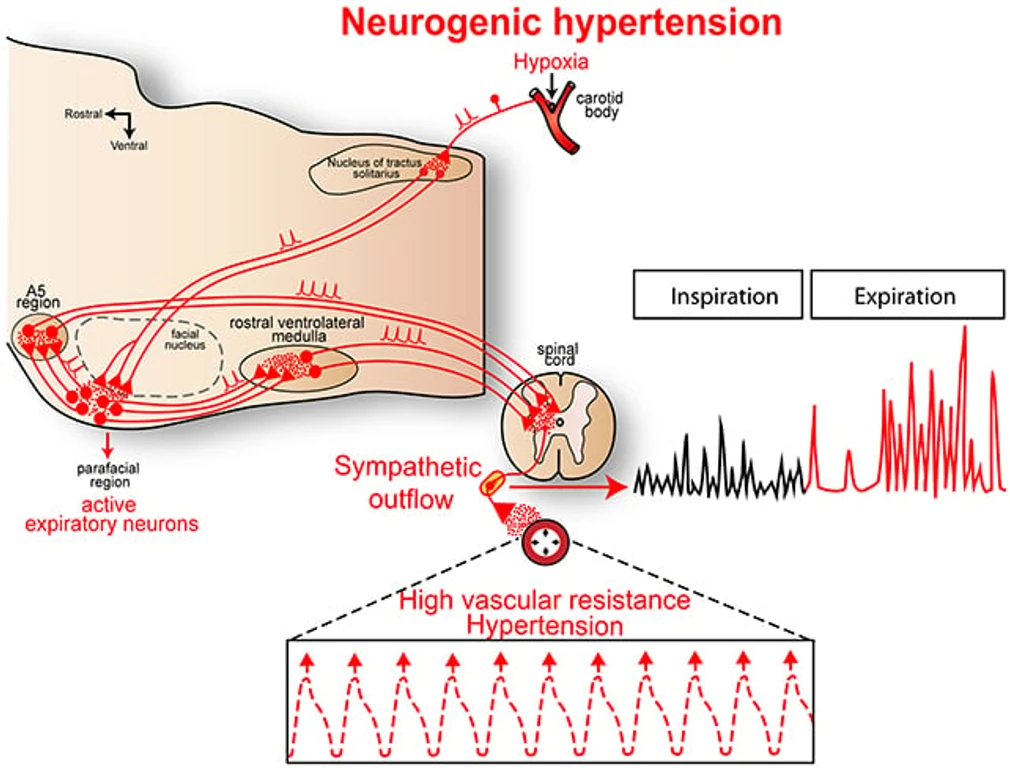
Experiments in rats demonstrated that activating pFL neurons increased blood pressure. Conversely, inactivating this region led to blood pressure normalization. This suggests that targeting the pFL could offer a new therapeutic avenue for hypertension. The findings also shed light on the increased risk of high blood pressure observed in individuals with sleep apnea, linking breathing irregularities to blood flow control.
Future research aims to develop treatments that can safely target the pFL neurons. One promising strategy involves modulating carotid bodies, external sensors that influence pFL activity. This approach could offer a less invasive method for controlling blood pressure compared to drugs that penetrate the brain. The study, published in Circulation Research, used animal models and highlights the urgent need for novel hypertension treatments given its widespread impact.