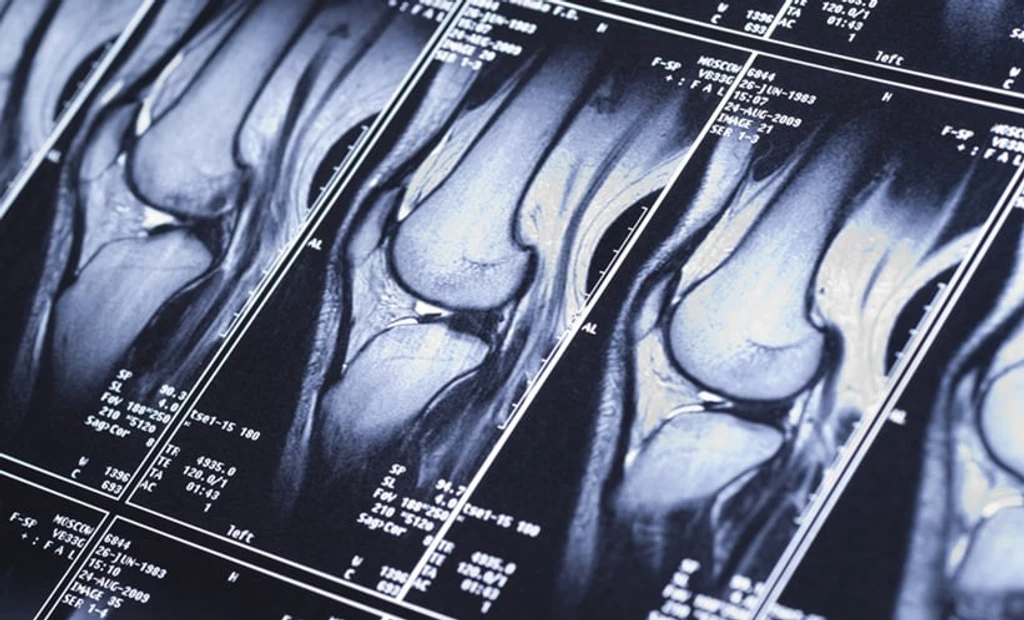
A large, population-based study in Germany has found that sacroiliac bone marrow oedema, or BMO, a key MRI marker for axial spondyloarthritis, is present in nearly one-third of healthy adults. This prevalence is roughly 50 times higher than the actual rate of the inflammatory disease.
Researchers analyzed more than 11,000 MRI scans from adults aged 20 to 69. They found BMO in about 30% of participants, with higher rates in women, those with elevated BMI, and individuals in physically demanding jobs or intensive recreational sports.
The authors of the study, published in The Lancet Rheumatology, suggest that these MRI findings may often reflect mechanical stress or physiological changes rather than underlying inflammatory disease. They caution that isolated BMO on MRI should not be used alone to diagnose axial spondyloarthritis or to initiate biologic treatments.
Instead, the findings should be interpreted alongside clinical history, demographics, and symptoms to improve diagnostic accuracy and reduce unnecessary interventions.