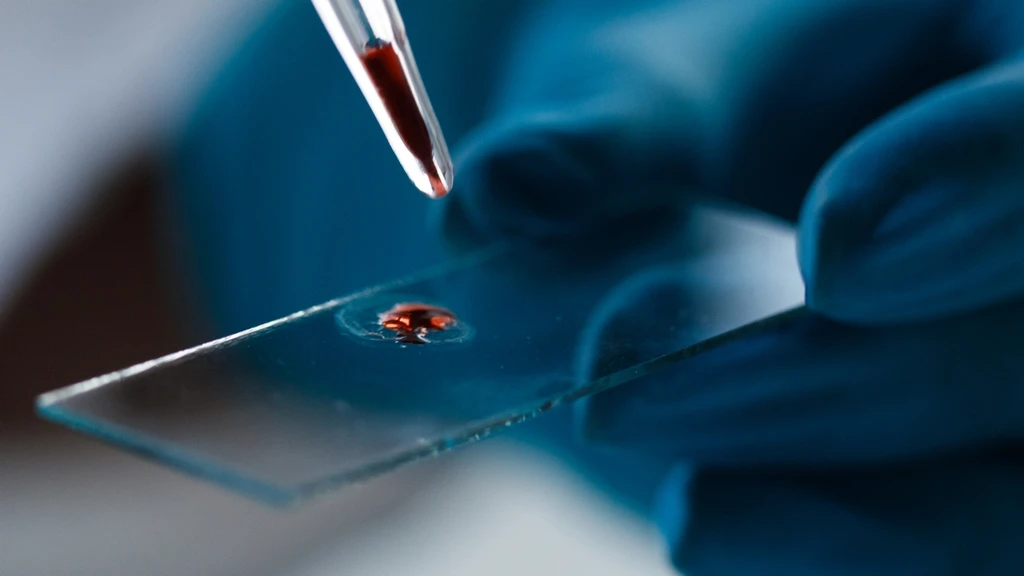
A groundbreaking study suggests a simple blood test, analyzing levels of the protein p-tau217, can predict a woman's risk of developing dementia up to 25 years before symptoms manifest. Researchers from US institutions analyzed blood samples from nearly 2,800 women, aged 65-79, who were cognitively healthy at the time of the study in the 1990s and monitored for up to 25 years.
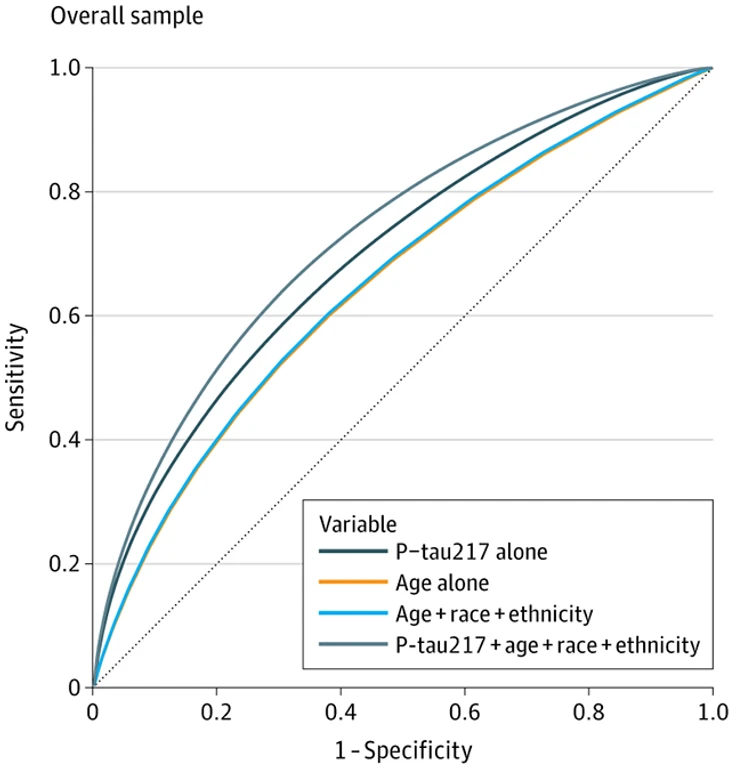
Higher levels of plasma phosphorylated tau 217 (p-tau217) in the blood are linked to tau protein tangles in the brain, a hallmark of Alzheimer's and other dementias. Neuroscientist Linda McEvoy highlighted that blood-based biomarkers like p-tau217 are less invasive and more accessible than brain imaging or spinal fluid tests, potentially accelerating research and risk reduction strategies.
The study found a strong association between elevated p-tau217 and an increased likelihood of developing mild cognitive impairment (MCI) and dementia. While not a definitive diagnosis, p-tau217 appears to be a valuable biomarker. The research also explored the impact of hormone therapy and race on these associations.
For women who used estrogen and progestin, higher p-tau217 clearly predicted dementia. The link between p-tau217 and dementia was stronger in women over 70 and those carrying the APOE ε4 gene, previously associated with Alzheimer's.
While the p-tau217 blood test requires further research before public screening, these findings represent a significant step in understanding dementia's onset and potential prevention. Epidemiologist Aladdin Shadyab noted that this long lead time could enable earlier preventative strategies and targeted monitoring, rather than waiting for memory issues to impact daily life.