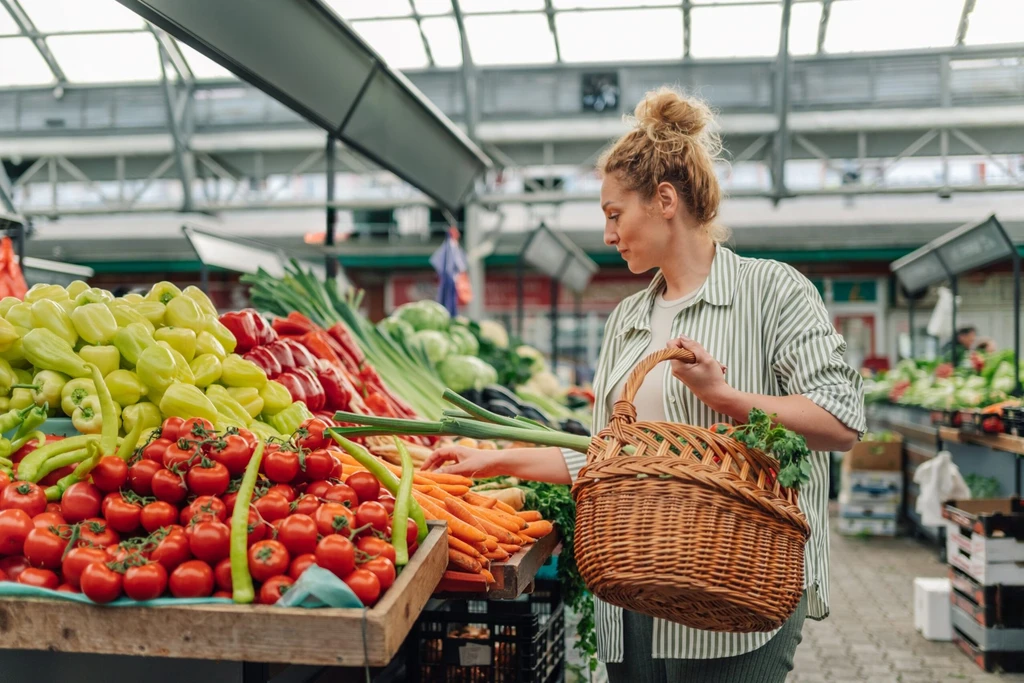
A friend recently refused my Mediterranean roasted vegetables because they weren't organic, despite being fresh and in season. The incident highlights a common belief: the organic label equates to superior quality. Science tells a different story.
Research shows the taste advantage often disappears in blind tests. People rate organic food as tastier only when they know the label, a phenomenon called the 'health halo.'
Nutritional differences are small and inconsistent. A major Stanford review found no strong evidence that organic food is significantly more nutritious. The clearest nutrient difference found was phosphorus, which is not a common deficiency.
Organic farming does not mean pesticide-free. It uses a different, approved list of substances. The key benefit is lower exposure to synthetic pesticide residue, not the absence of all chemicals.
How fresh produce is matters more than how it's farmed. A conventional pepper picked and eaten quickly can retain more vitamins, like Vitamin C, than an organic one that traveled far and sat on a shelf.
Frozen produce, often picked at peak ripeness and flash-frozen, can match or exceed the nutrient levels of fresh produce after a few days of refrigeration.
Organic produce costs about 59% more on average. This premium offers little measurable nutritional return and can reduce the overall amount and variety of vegetables purchased.
The most critical factor for health is simply eating more vegetables. Only about 10% of U.S. adults meet vegetable intake guidelines. Choosing affordable conventional or frozen options makes this goal more achievable than insisting on organic labels.