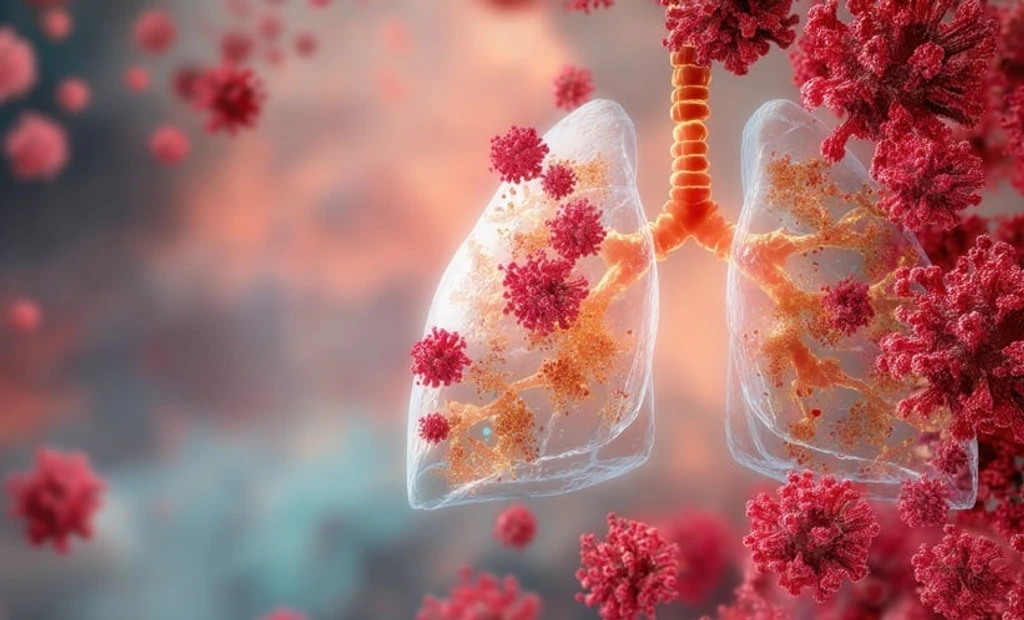
SEVERE COVID-19 may increase the risk of developing lung cancer, according to recent studies. Viral pneumonia alters lung tissue, creating conditions that support tumor development. Vaccination helps mitigate these risks.
Severe COVID-19 Raises Lung Cancer Risk
Researchers found that severe respiratory infections, particularly those requiring hospitalization, increase the likelihood of lung cancer. Laboratory experiments with mouse models showed that viral pneumonia promotes faster tumor growth. However, vaccination reduces infection-driven tumor growth acceleration.
Viral Pneumonia Alters the Lung Environment
Infection leaves a lasting imprint on lung tissue, promoting inflammation and tumor progression. Increased tumor-associated neutrophils and immune suppression weaken the body's ability to detect and eliminate cancer cells. Epigenetic changes sustain inflammatory signals.
Potential Targets for Treatment
Combining treatments that block neutrophil recruitment with therapies targeting the PD-L1 immune checkpoint restores CD8+ T cell activity and slows tumor growth.
Implications for Long-Term Respiratory Health
Monitoring individuals who experienced severe infection as the global community continues to assess the long-term impacts of COVID-19.