
Medical researchers have discovered that semaglutide may reverse debilitating tissue damage caused by osteoarthritis, the world's most common form of arthritis. The drug, familiar from Ozempic and Wegovy, is primarily known for treating type 2 diabetes and aiding weight loss. However, a new study indicates semaglutide protects joints in mice through a mechanism independent of weight reduction.
Instead, the drug appears to reprogram the metabolism of cartilage-maintaining cells, enhancing their energy generation. Researchers from China and the US noted in their published paper that this highlights a potential off-target effect of semaglutide as an effective treatment for metabolic osteoarthritis, revealing a weight-loss-independent repair mechanism.
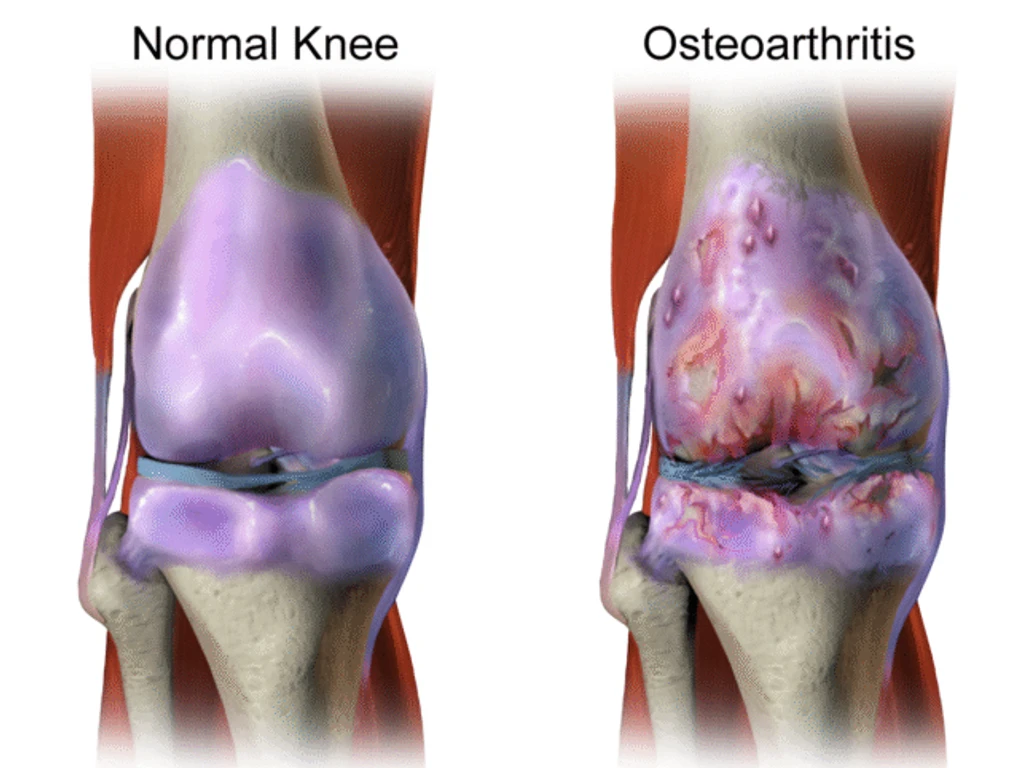
Semaglutide mimics the natural hormone GLP-1, which regulates blood sugar and appetite. While weight loss from this effect naturally eases osteoarthritis by reducing joint load, this study suggests a more direct impact on joint health. In both mice and humans with obesity and osteoarthritis, semaglutide treatment reduced pain and cartilage degeneration. Mice also showed fewer bone spurs and less severe lesions in their joint membranes.
Crucially, a "pair-feeding" control group in mice, which had comparable weight changes but did not receive semaglutide, did not experience the same cartilage protection, supporting a weight-loss-independent effect.
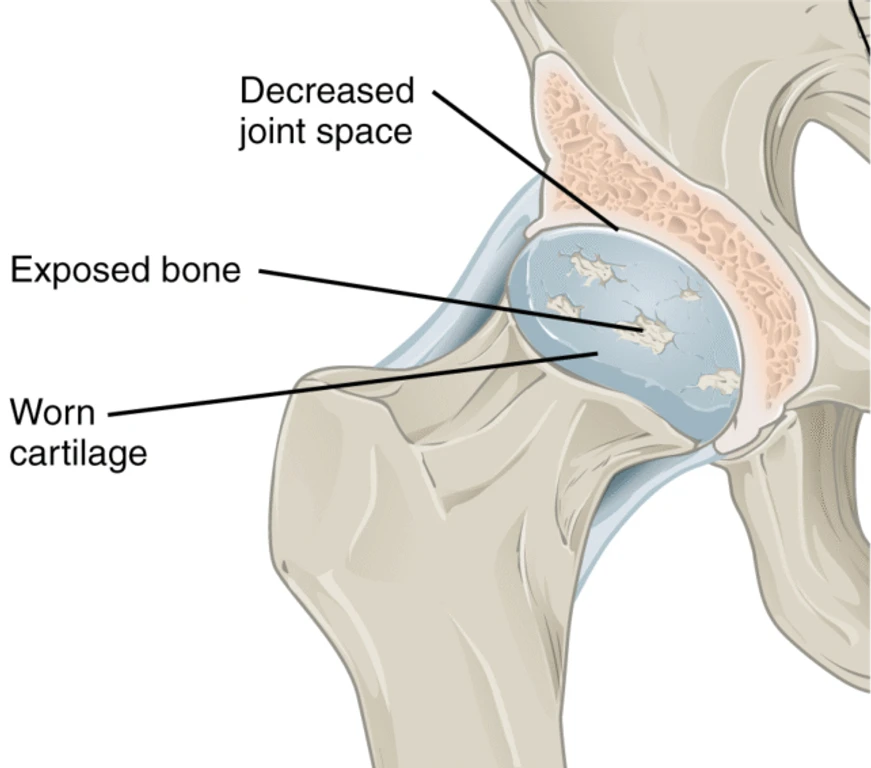
The key biological pathway altered by semaglutide is the "GLP-1R-AMPK-PFKFB3 axis," influencing cellular energy production. Semaglutide alters metabolic processes in chondrocytes, the cells in healthy cartilage, making them more efficient and promoting survival. After treatment, oxidative phosphorylation (OXPHOS), a process yielding significantly more energy, became the preferred metabolic pathway over glycolysis.
In a human trial involving 20 individuals with obesity and osteoarthritis, those treated with HA and semaglutide showed lower pain scores and improved knee function over 24 weeks. MRI analysis confirmed thicker cartilage and new cartilage growth in weight-bearing areas. These findings are significant given that osteoarthritis affects approximately 600 million people globally and is projected to impact one billion by 2050, with increasing prevalence in younger populations.
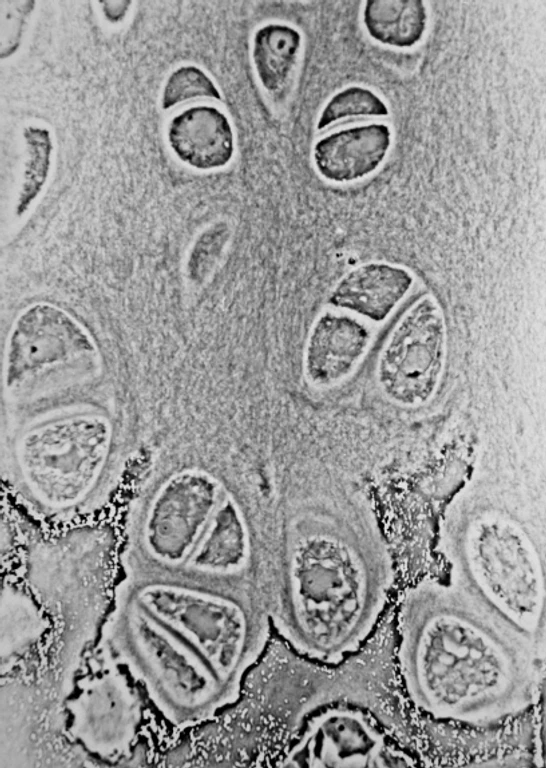
The research adds to evidence of GLP-1 drugs offering benefits beyond weight loss and refines the search for new osteoarthritis treatments targeting intra-articular metabolism. However, researchers caution that mouse study results require further validation through clinical trials.