
Research presented at ENDO 2026 in Chicago indicates that GLP-1 weight-loss medications may significantly benefit male reproductive health. A systematic review of five randomized controlled trials found these drugs do not suppress male hormones but instead appear to improve testosterone levels and semen quality in men with obesity-related hypogonadism.

Obesity frequently disrupts the hypothalamic-pituitary-gonadal axis, leading to functional hypogonadism and impaired fertility. The analyzed data suggests that as patients lose weight on GLP-1 agonists, metabolic markers stabilize and reproductive function recovers. Specific trials involving liraglutide demonstrated improved sperm concentration and hormonal profiles, outperforming traditional hormone replacement therapy in certain health outcomes.
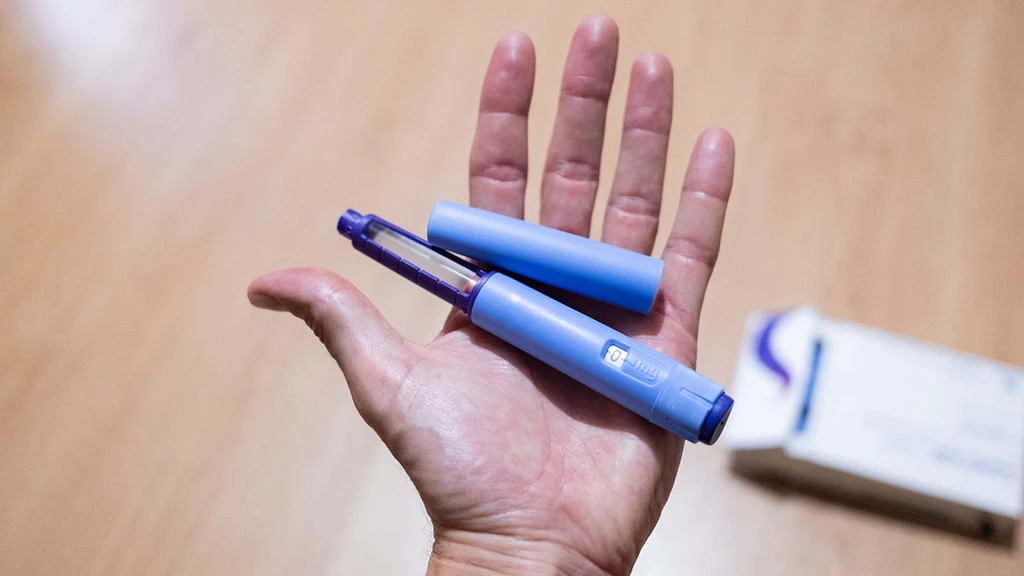
A 24-week trial of semaglutide showed preserved total testosterone and improved sperm morphology alongside reduced cholesterol. Medical experts note this is a critical distinction, as standard testosterone replacement therapy often harms sperm production. GLP-1s may offer a superior therapeutic pathway for obese men seeking to restore fertility while managing weight.
While current evidence is limited to five trials, researchers emphasize the need for larger studies explicitly powered to assess reproductive outcomes. Early findings nonetheless provide a compelling clinical signal that GLP-1 medications support endocrine health rather than diminish it during weight loss interventions.