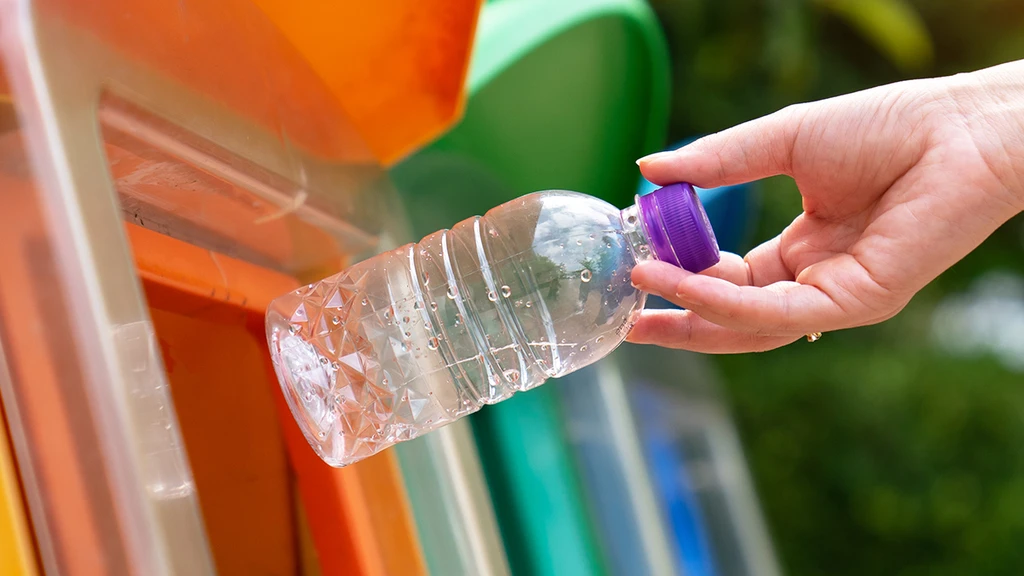
Scientists at the University of Edinburgh have engineered E. coli bacteria to convert polyethylene terephthalate (PET) plastic into levodopa, the gold-standard treatment for Parkinson’s disease.
The process breaks down plastic bottles into terephthalic acid, then uses a two-strain bacterial metabolic pathway to synthesize the pharmaceutical compound-bypassing traditional fossil fuel inputs.
Biotechnologist Stephen Wallace, lead researcher, called it a foundational step toward reimagining plastic waste as a carbon resource for human health.
While currently a lab-scale proof-of-concept, the method could reshape pharmaceutical manufacturing by turning environmental waste into essential medicine.
The study, published in Nature Sustainability, builds on prior work from the same lab that produced paracetamol from plastic-demonstrating the broader potential of bioengineered recycling.