A widespread stomach virus is currently impacting Long Island households and classrooms, presenting symptoms such as nausea, cramping, vomiting, and diarrhea. Health providers are expressing concern that young children and the elderly are particularly vulnerable to dangerous dehydration if not closely monitored.
While this type of infection is common between November and April, pinpointing the exact virus, like norovirus, can be challenging without hospital treatment. Norovirus is highly contagious, spreading through contaminated surfaces, food, or water, and accounts for over half of food poisoning cases in the U.S.
The CDC estimates the virus causes millions of illnesses annually and hundreds of deaths, predominantly among those 65 and older. Wastewater monitoring confirms high levels of norovirus across the Northeast.
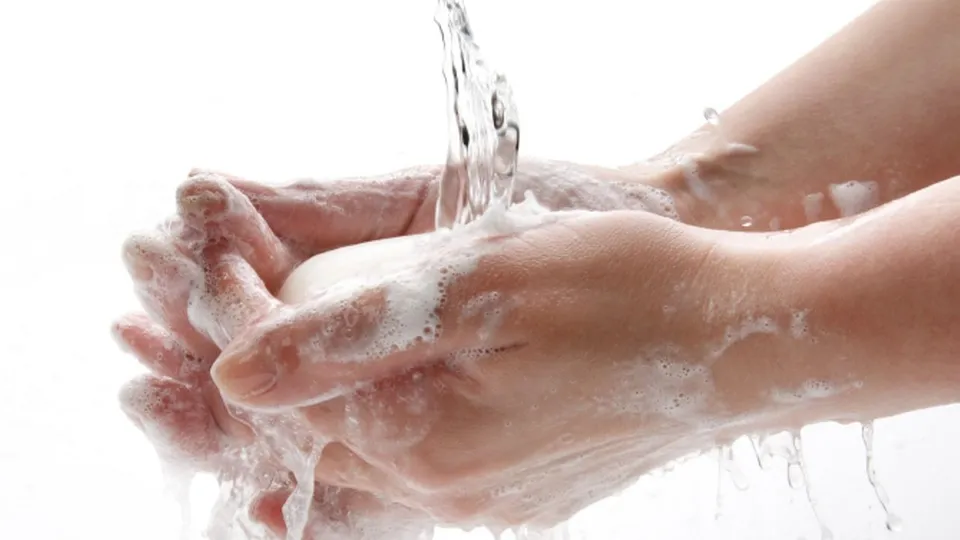
Dr. David Fagan, a pediatrician with Northwell Health, emphasizes that frequent and thorough hand-washing is the most effective prevention, noting that alcohol-based sanitizers do not kill this particular virus. He observes that preschoolers and elementary school students are frequently affected, with symptoms typically resolving within one to three days.
Dr. Christine Doucet of Patchogue Family Medical Care advises disinfecting frequently touched surfaces like doorknobs. She notes entire households can be affected by the virus. Treatment focuses on symptom management and fluid intake.
For infants and young children, maintaining hydration with electrolyte replacement drinks like Pedialyte is crucial. Parents should contact doctors if vomiting persists, as medication can be prescribed to help retain fluids. Dr. Eve Meltzer Krief advises starting with small, frequent sips of fluids and gradually reintroducing plain foods like toast and crackers.
Elderly individuals with certain heart conditions should be cautious with electrolyte drinks due to sugar and sodium content, potentially requiring hospital-administered IV fluids. Monitoring hydration in children involves checking for adequate urination and clear urine. Decreased urination, lethargy, or difficulty keeping down small sips warrant immediate medical attention.