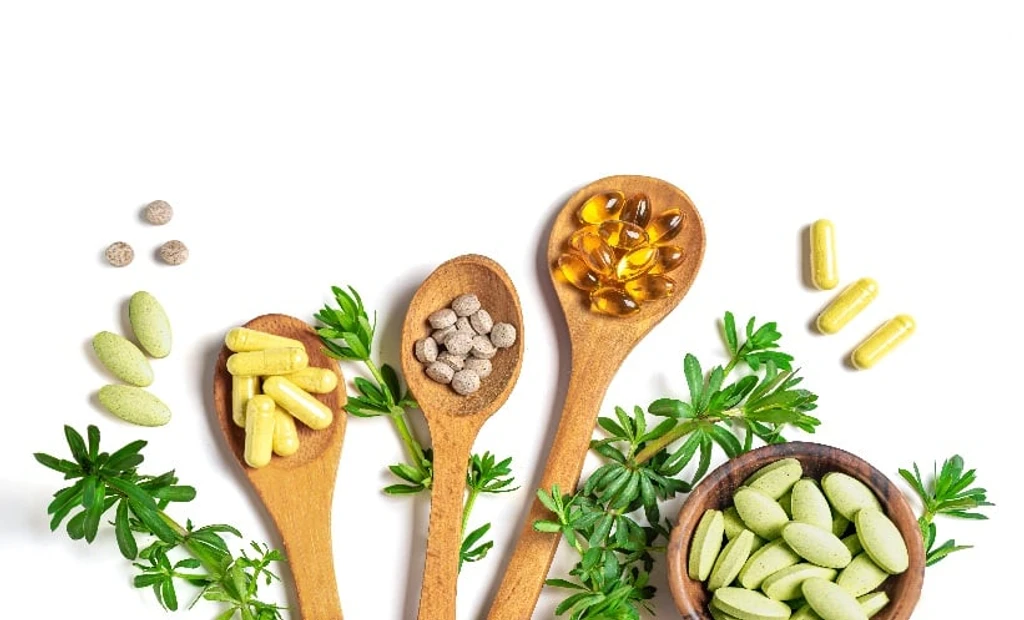
Experts at the 2026 European Association for the Study of the Liver congress warn that supplement-induced liver injury is a growing global health crisis.
Around 50% of U.S. adults use dietary supplements, and over 100,000 products are on the market-with limited regulation. A 2015 study linked 18% of acute liver failure cases to herbal and dietary supplements; half of those patients died or needed a transplant.
Turmeric supplements were cited as a key risk. While culinary turmeric is safe, concentrated versions with black pepper extract boost bioavailability up to 20-fold, raising hepatotoxicity risk. Liver injury typically appears 1-4 months after use.
Black cohosh, used for menopause, was linked to autoimmune-like hepatitis. Many patients don't disclose supplement use: 25% never tell their doctor, and 57% of clinicians don't ask.
Online wellness culture worsens the problem. 1 in 5 Americans trusts health influencers more than doctors, and 67% of Millennial and Gen Z TikTok users follow nutrition trends, though only 2% align with public health guidance.
![Image of liver anatomy or supplement bottles for visual context]
Herbal and dietary supplements are regulated as foods, not drugs, even in Europe. Experts call for tighter rules, global case registries, and clearer labeling. The message: natural does not always mean safe.