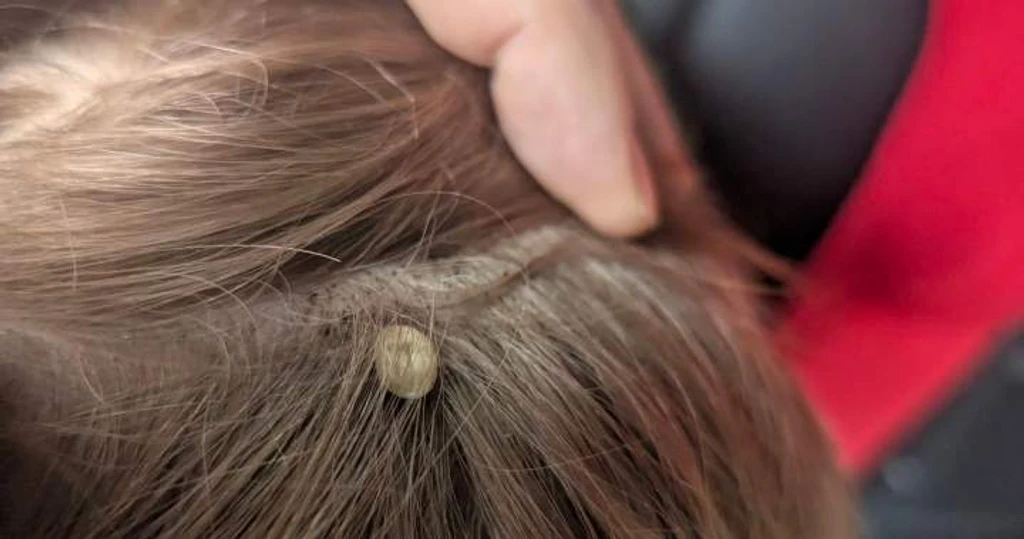
A Merritt, B.C., father is urging outdoor enthusiasts to take tick safety seriously after his young son suffered a sudden, severe medical episode linked to a tick bite.
Jamie Stevens described “sheer panic” when his son, Milo, woke up unable to walk last Thursday. "His legs weren’t holding up his weight," Stevens said. Local doctors were initially baffled and referred the boy to a pediatrician.
Back home, they discovered an engorged tick embedded in Milo’s scalp-likely picked up during a short family hike near their home on a grassy bluff.
Entomologist Jade Savage of Bishop’s University confirmed that certain tick species can cause paralysis through a neurotoxin, even if they don’t carry Lyme disease.
“In British Columbia, people should be aware of ticks 12 months out of the year,” Savage said, noting some species remain active in cold weather.
She advises staying on gravel paths, wearing long sleeves and pants with socks tucked in, using DEET-based repellents, and performing thorough evening tick checks-especially on the scalp, hairline, and behind the ears.
Crucially, ticks should be removed straight out with tweezers or a hook-never twisted-to avoid leaving mouthparts behind or triggering regurgitation into the skin.
After hospital staff applied a topical cream to remove the tick, Milo recovered within 24 hours.
Stevens says his family will keep hiking-but with heightened vigilance and routine tick checks for all three children.