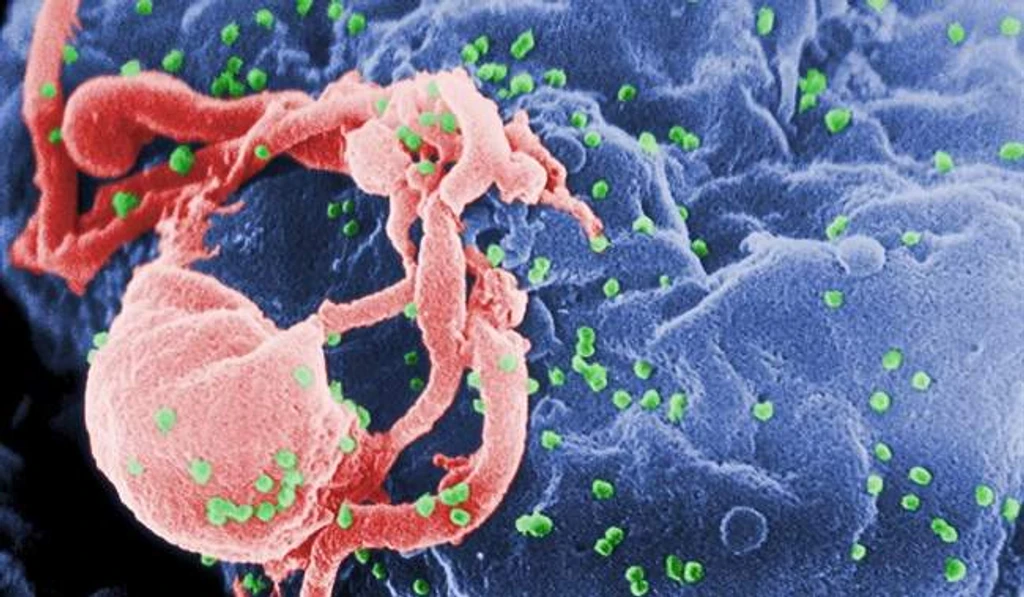
A 62-year-old Toronto man has achieved sustained remission of HIV following a bone marrow transplant to treat acute myelogenous leukemia. This procedure marks a significant milestone, potentially adding him to a very small group of individuals worldwide considered cured of the virus.
The patient underwent the transplant at University Health Network’s Princess Margaret Cancer Centre. The donor stem cells contained a rare genetic mutation, delta-32 in the CCR5 gene, which makes individuals resistant to HIV infection. This mutation prevents HIV from entering and infecting immune cells.
While this outcome is extraordinary, medical professionals caution that it is not a standard treatment for HIV. The bone marrow transplant was primarily to address the patient's leukemia, with the HIV remission being a secondary, exceptional result. The patient, diagnosed with HIV in 1999, has been on antiretroviral therapy for years and stopped medication in July 2025. As of April 2026, his HIV levels are undetectable.
The search for a matching bone marrow donor involved global databases, as a familial match was not found. The success highlights the critical need for bone marrow donors and registries to support further research and potential breakthroughs in HIV treatment.