Thousands in Wisconsin are living with Ehlers-Danlos Syndrome (EDS), a tissue disorder characterized by abnormal flexibility and fragile tissues. Despite its prevalence, many struggle for years to receive a diagnosis and appropriate care.
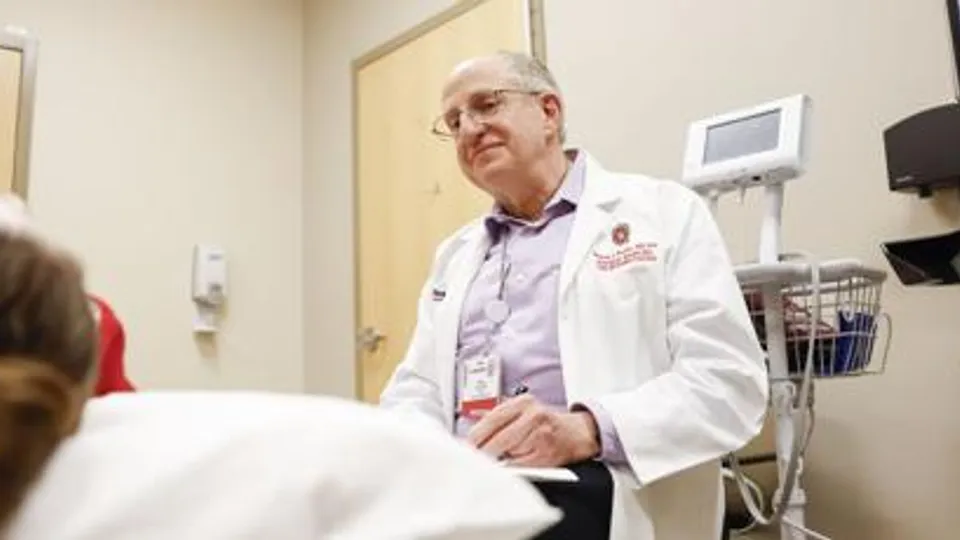
Dr. Nathan Rudin, a rehabilitation physician specializing in hypermobility disorders at UW Health, notes that EDS was historically taught as a rare condition. Now, his waitlist alone exceeds 900 patients. He estimates 12,000 people in Wisconsin have the most common type, hypermobile EDS (hEDS), yet few doctors possess the knowledge to diagnose it.
This lack of awareness leads to decades of uncertainty for individuals experiencing chronic pain, postural issues, digestive problems, and other multisystem symptoms associated with EDS. While 13 other variants of EDS have known genetic markers, hEDS remains genetically undiagnosed, adding to the diagnostic challenge.
Experts like Rudin are working to bridge this knowledge gap. He emphasizes that diagnosing hEDS, while complex due to its varied symptoms, is achievable with current criteria, which involve assessing hypermobility, family history, and other symptoms. The primary barrier remains a lack of physician familiarity and comfort in identifying the condition.
Stories like Brielle Aylesworth's, who waited 16 years after her first major injury to even consider EDS, highlight the diagnostic delay. Roxie Caswell spent four decades with undiagnosed skin fragility, and Brianne Miller discovered her potential diagnosis through social media after years of unexplained pain and digestive issues.
Rudin is actively integrating EDS education into the University of Wisconsin-Madison's medical curriculum and clinical departments. Physical therapists are also being trained to help identify potential cases, recognizing the critical role they play in musculoskeletal assessment. Advocacy groups and awareness months are crucial in pushing for greater understanding and improved patient outcomes.
The effort to educate healthcare providers and the public is ongoing, aiming to transform the perception of EDS from a rare "zebra" to a recognized condition affecting a significant portion of the population.