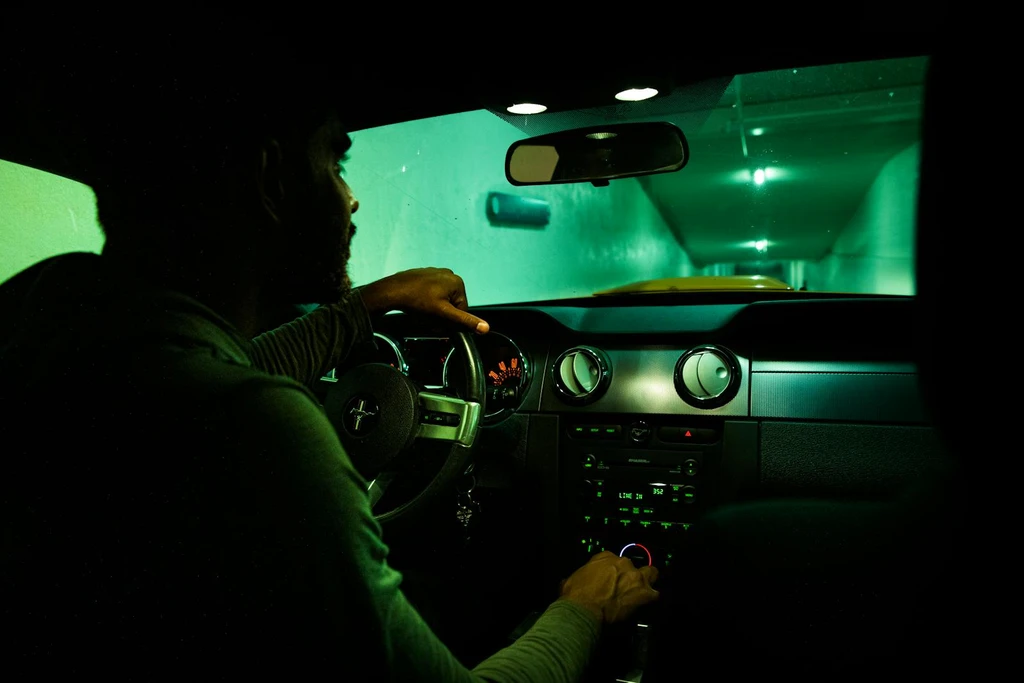
The funniest person in any room often masks deep loneliness. This individual, adept at deflecting attention with humor, rarely faces genuine emotional inquiry. Their wit, learned as a coping mechanism, redirects discomfort, preventing deeper connection.
Psychologically, humor serves as a socially rewarded form of deflection, allowing individuals to avoid uncomfortable truths. This constant performance, while externally validated, leads to profound isolation, particularly when the audience departs.
The performance of humor requires an audience. The true loneliness emerges in solitary moments, like the drive home after a successful event. This is where the weight of performing a persona, rather than connecting authentically, becomes apparent.
Loneliness is not merely the absence of people, but the subjective feeling that connections do not meet emotional needs. The skilled comedian, surrounded by admirers, can still feel profoundly alone because the audience values the performance, not the person.
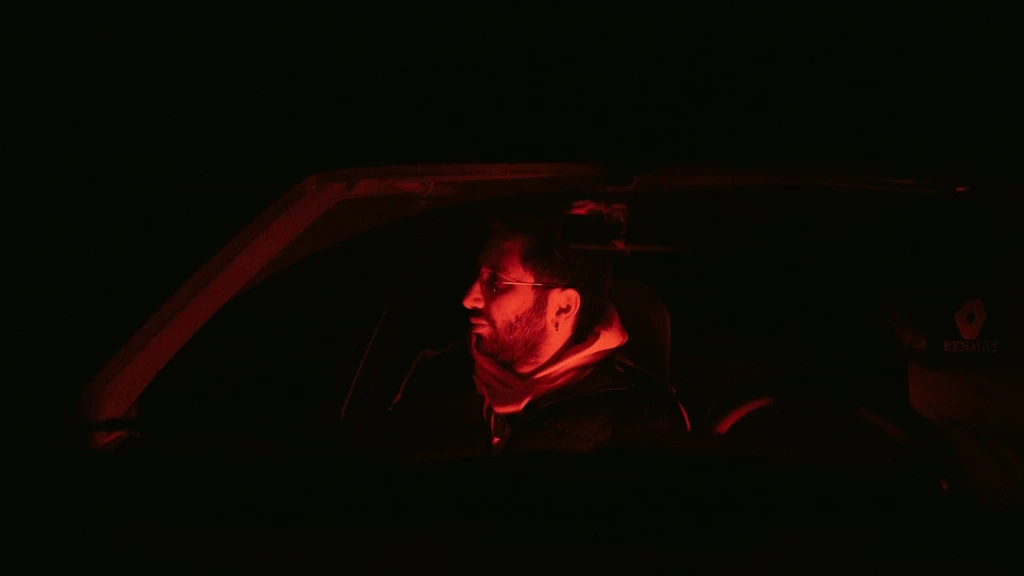
This pattern creates a feedback loop: loneliness drives the need for social interaction, which is then met by humor, reinforcing the conditions for more loneliness. The effectiveness of their humor prevents genuine connection, making it difficult to break the cycle.
Breaking this pattern requires focused, quality relationships rather than quantity. It means sitting through silence without offering advice, and asking specific, unanswerable-by-joke questions like 'How are you, really?' Specificity defeats deflection, forcing a confrontation with underlying emotions.
This emotional labor, unseen by others, highlights that the funniest person may be performing extraordinary efforts to appear effortless, leaving a gap between external validation and internal reality.