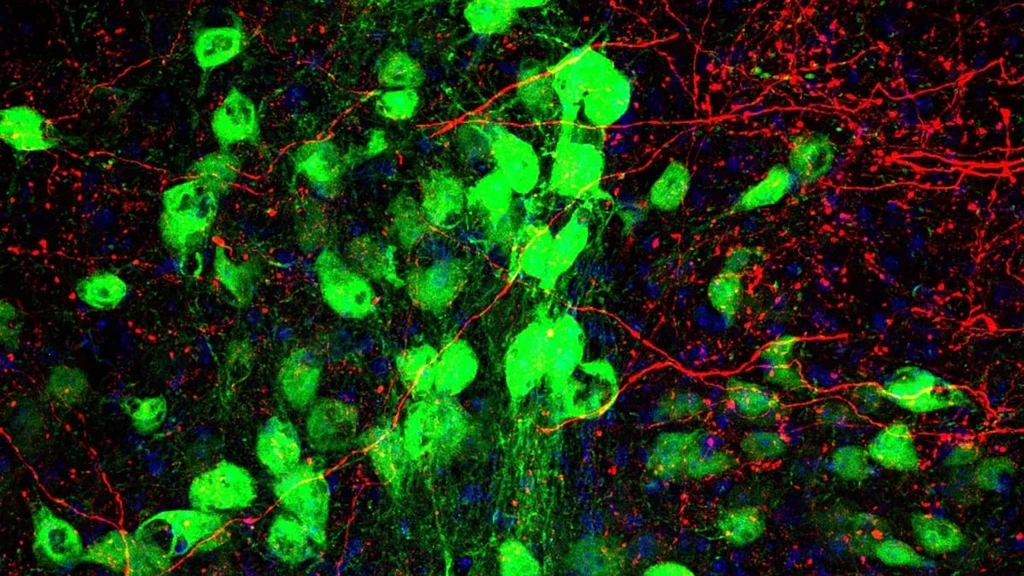
A new study from Kobe University reveals a brain link that may explain why Tourette syndrome often overlaps with OCD. Researchers identified a neural pathway connecting the basal ganglia (movement control) to the insular cortex (emotion processing) via the thalamus.
In a mouse model of tic-like movements, blocking this thalamus-to-insular connection significantly reduced tic intensity. This discovery suggests abnormal motor signals can spill into emotional processing regions, potentially explaining the comorbidity of Tourette's with OCD, ADHD, and ASD.
Neurophysiologist Yoshihisa Tachibana noted this circuit acts as a bridge between previously independent brain regions. The findings could lead to less invasive treatments, such as ultrasound neuromodulation, compared to current deep brain stimulation, which carries risks. Further research in human patients is needed.