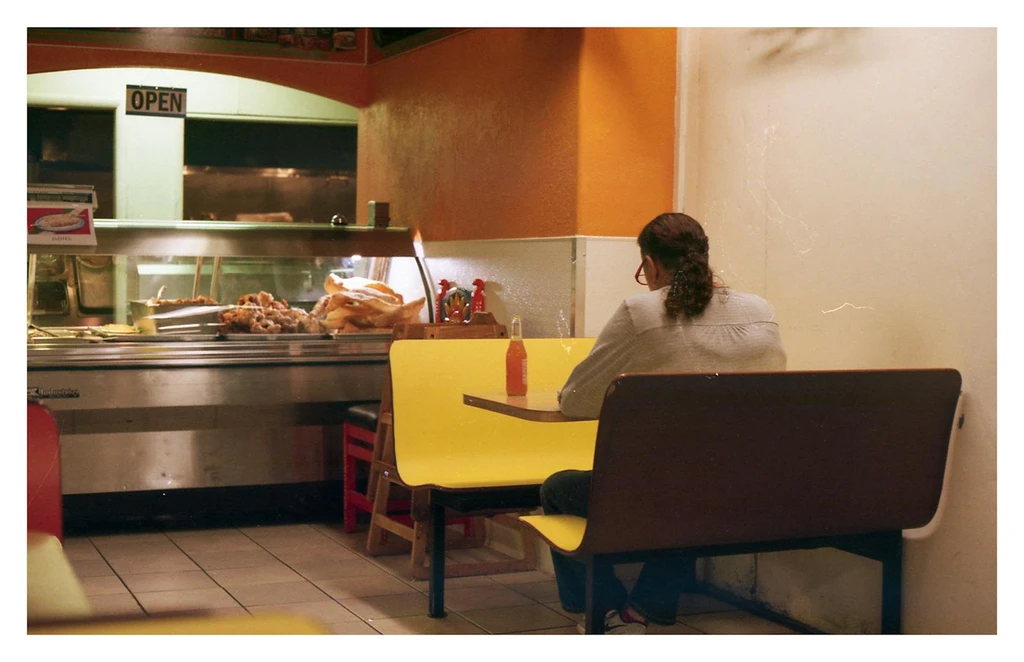
Some individuals possess an extraordinary ability to navigate social situations, making everyone feel comfortable and at ease. However, these same people often struggle to articulate their own desires, such as what they want for dinner. This paradox, where social grace coexists with a lack of self-knowledge, stems from the same underlying mechanism.
People-pleasing, often misunderstood as simple kindness, is actually a survival strategy. Individuals who excel at reading social cues and managing others' emotions typically learned these skills in childhood, driven by a need to monitor emotional temperatures for safety. This hyper-attuned radar, perpetually scanning outward, leaves little capacity for internal reflection.

This outward focus means that expressing personal preferences can feel like aggression. Years spent prioritizing others' comfort can lead to a deep-seated fear that one's own needs are an imposition. Consequently, stating a desire, whether for food or in a relationship, can be a paralyzing experience, as the internal software for identifying personal wants was never fully developed or was suppressed early on.
Individuals exhibiting this pattern often appear highly competent and emotionally intelligent, earning promotions and admiration. However, this social proficiency can be a coping mechanism, a 'wound wearing the costume of a skill.' Unlike adaptive emotional intelligence, this survival-based version is always 'on,' leaving no space for self-awareness.

The breakdown of this pattern often occurs when external structures are removed, revealing the lack of internal boundaries. In remote work or personal life changes, the absence of familiar social scaffolding leaves these individuals adrift, struggling to make decisions or define their own path.
Recovery involves the slow, deliberate practice of identifying and voicing personal preferences. It's not about discarding social grace but about developing parallel self-attunement. Learning to state a simple desire, like wanting pasta for dinner, can be a monumental step, a practice in claiming space and recognizing that one's own wants are valid and will not destabilize the world.