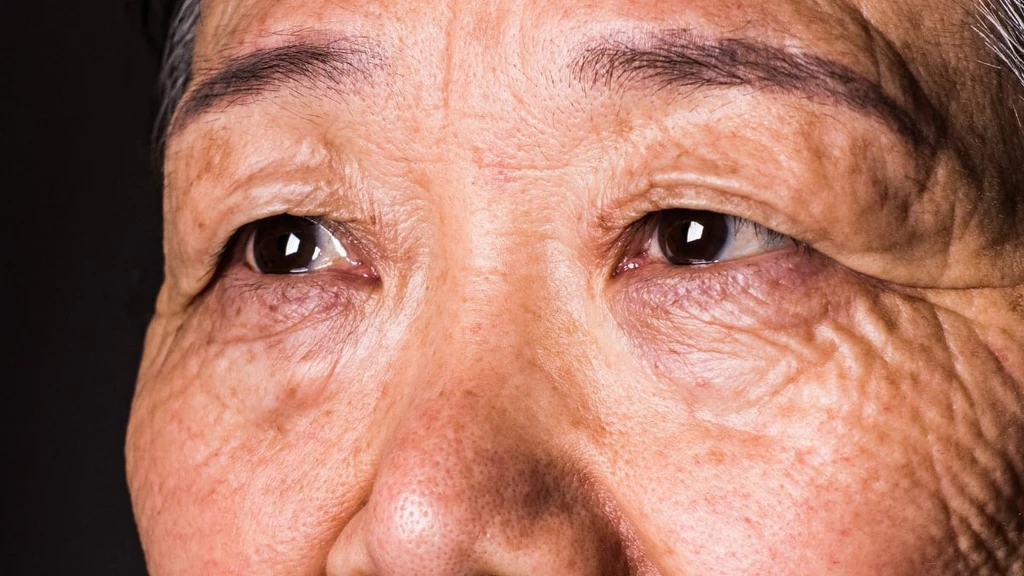
The eyes may offer an early glimpse into future brain health. Two major studies-one in the U.K., another in Australia-reveal that declining vision can predict dementia up to 12 years prior to clinical diagnosis.
In the U.K. study, over 8,000 participants took a visual processing speed test. Those with slower responses were significantly more likely to later be diagnosed with dementia.
Australian researchers tracked 2,281 individuals and found that deteriorating visual acuity correlated strongly with lower problem-solving and memory scores over time. This link was partially explained by reduced social engagement, suggesting lifestyle plays a role.
"Identifying these changes early and addressing them may help reduce the risk of developing dementia," said neuroscientist Nikki-Anne Wilson of Neuroscience Research Australia (NeuRA).

Declining vision has many causes, some reversible. Cataracts or refractive errors, for example, can often be corrected. Yet even mild untreated impairments may contribute to cognitive load and withdrawal from social activity-both potential accelerants of mental decline.
Data from The Lancet's 2024 Commission on Dementia now lists late-life vision loss as a modifiable risk factor, tied to up to 2.2% of cases.
Experts recommend routine eye exams for older adults, not just for sight but as part of broader dementia prevention strategies.