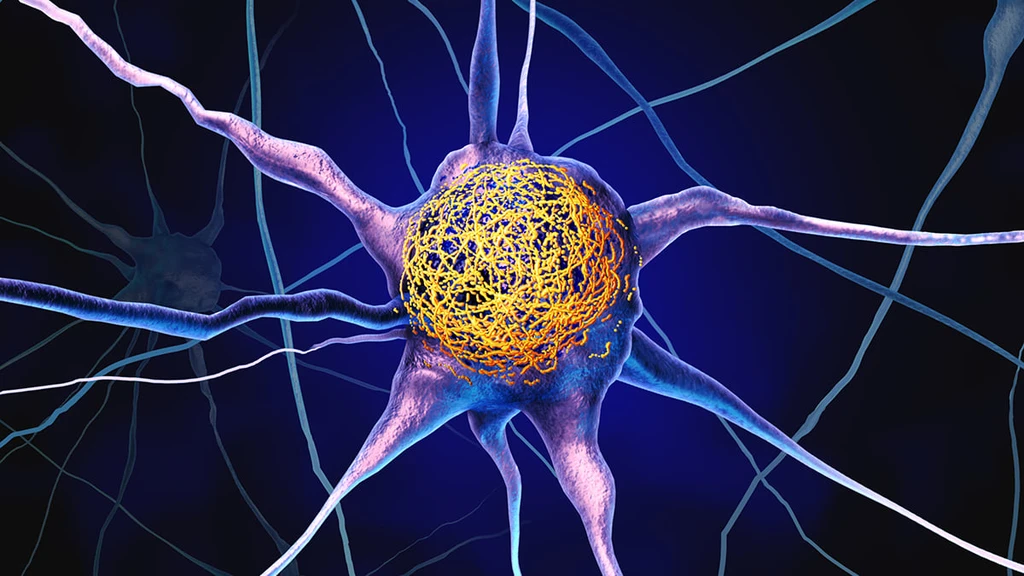
Tau protein tangles in neurons have been implicated in Alzheimer's.
New research indicates a link between midlife vitamin D levels and reduced tau protein tangles, a hallmark of Alzheimer's disease. A statistical analysis of blood samples and brain scans from 793 adults showed higher vitamin D concentrations in middle age correlated with lower tau buildup years later.
While not proving direct causation, the findings suggest vitamin D may offer protection against tau deposits. Neuroscientist Martin David Mulligan stated that low vitamin D could potentially be a modifiable risk factor for dementia.
The study measured vitamin D levels in participants at age 39, with brain scans taken an average of 16 years later to assess tau and amyloid-beta protein levels. Abnormal levels of these proteins were used as indicators of preclinical Alzheimer's-like brain changes.
Extra vitamin D is available from sunshine, foods, and supplements.
While no relationship was found between vitamin D and amyloid-beta, a clear association with tau emerged, affecting both the overall brain and regions typically impacted early in Alzheimer's.
Researchers noted a lack of prior studies on serum vitamin D and neuroimaging markers of preclinical dementia. They suggest that vitamin D supplementation in younger, cognitively healthy individuals might be beneficial, requiring formal testing in clinical trials.
Previous research has linked vitamin D to various health benefits and dementia protection. This study adds a specific connection to tau proteins. Though the role of tau tangles in Alzheimer's remains debated, they are recognized as early indicators of neurological issues.
Scientists theorize vitamin D may fine-tune the brain's immune system, while its deficiency has been linked to misbehaving tau proteins in mice. The study implies that sufficient vitamin D intake could potentially reduce a fraction of Alzheimer's risk.