
A new study from Ben-Gurion University of the Negev reveals a direct link between visceral fat-the fat around internal organs-and accelerated brain aging. The research suggests that reducing this specific type of fat can protect against brain atrophy and cognitive decline.
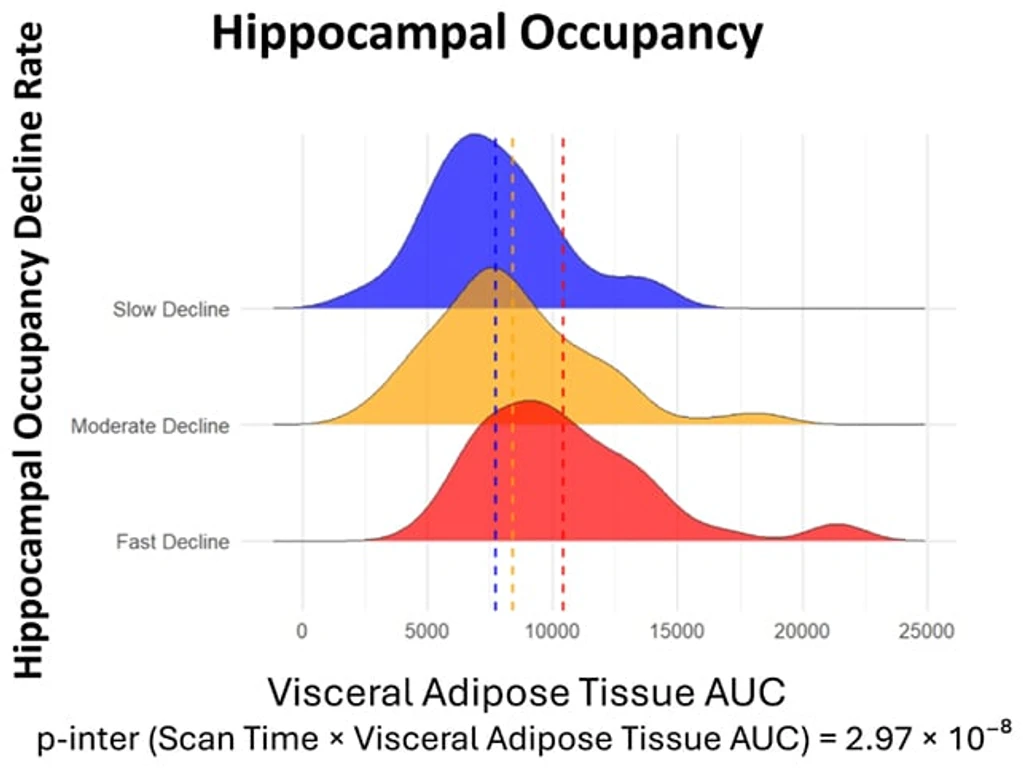
The study followed 533 adults over up to 16 years, using MRI scans and cognitive tests. Visceral fat was associated with lower brain volume, reduced gray matter, and faster expansion of brain ventricles, a marker of aging. Subcutaneous fat, found just under the skin, showed no such correlation.
Blood tests indicate that elevated blood sugar and insulin levels mediate this damage, linking visceral fat to insulin resistance and dementia risk. The good news: participants who lost the most visceral fat through diet and exercise had the best-preserved brain volumes.
"Our findings demonstrate that long-term exposure to higher visceral adiposity is associated with both accelerated brain atrophy and lower cognitive performance," the researchers write in Nature Communications. Epidemiologist Iris Shai adds, "Glucose control and reduction of visceral abdominal fat are measurable and modifiable targets with real potential to slow brain degeneration."
While the study is mostly in overweight men, it adds to mounting evidence that targeting visceral fat-not just weight loss-is key to brain health.