Health experts are raising alarms that viral "fitspiration" trends and extreme exercise regimens could be fueling a rise in rhabdomyolysis, a serious condition known as rhabdo. This syndrome stems from rapid muscle breakdown, often triggered by overexertion, particularly in individuals attempting high-intensity interval training or intense indoor cycling sessions after a hiatus.
When damaged muscle cells release toxins into the bloodstream, it can lead to severe health complications, including kidney failure. Classic symptoms include tea-colored or dark urine, accompanied by muscle weakness or pain. Newfoundland and Labrador Health Services reported approximately 20 cases in six months, a significant increase from the typical few cases seen annually. Most affected individuals are women aged 19 to 30.
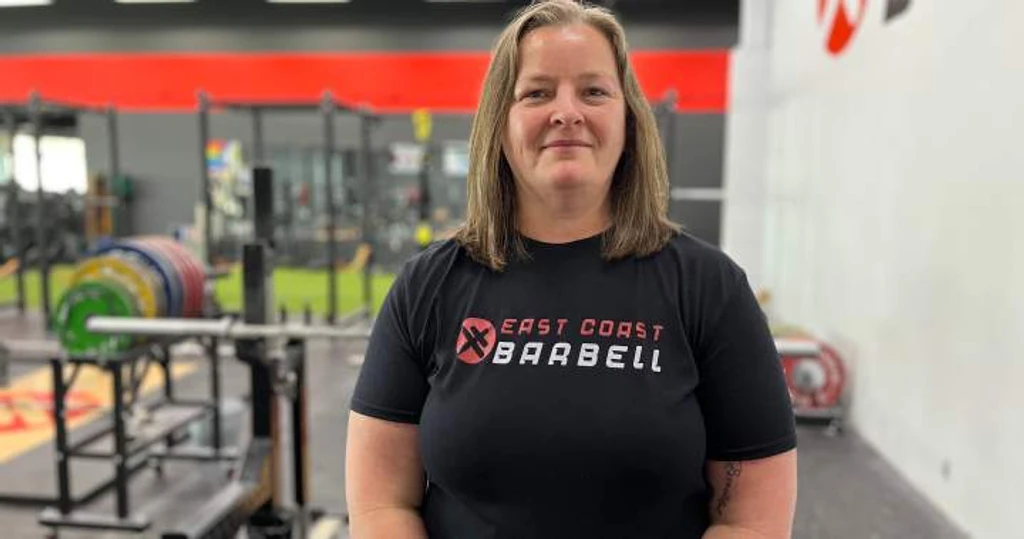
Authorities suspect social media's influence, where a culture of extreme activities and "friendly jousting competitiveness" through online posts about workout intensity and achievements may be a contributing factor. While Nova Scotia and New Brunswick have not reported similar increases, personal trainers emphasize a gradual approach to exercise, focusing on consistency and recovery over excessive frequency.
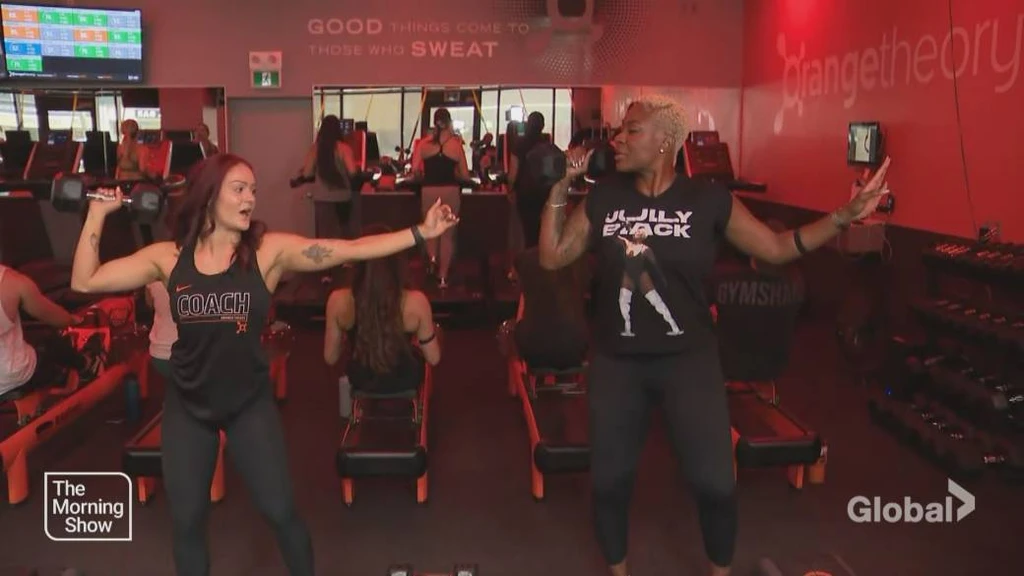
Experts also advocate for self-compassion, urging individuals to recognize the systemic pressures from profitable industries promoting intense workout messages. Adopting kinder, more empathetic approaches to personal fitness is recommended to mitigate risks.