
A new systematic review indicates that vitiligo stigma is deeply influenced by cultural beliefs, with its psychosocial burden extending far beyond depigmentation.
The review of 23 studies across various cultures found that vitiligo is sometimes misinterpreted as contagious, a divine punishment, or linked to supernatural causes. These interpretations are more prevalent in regions with lower health literacy and limited dermatologic care, underscoring a pervasive misunderstanding of the condition.
While the severity of stigmatization varies, patients consistently report social exclusion, employment and marriage discrimination, and internalized shame. These issues are particularly pronounced for female patients and individuals with darker skin phototypes. Quality of life impairment is demonstrably greater in African, Middle Eastern, and South Asian populations compared to Western cohorts.
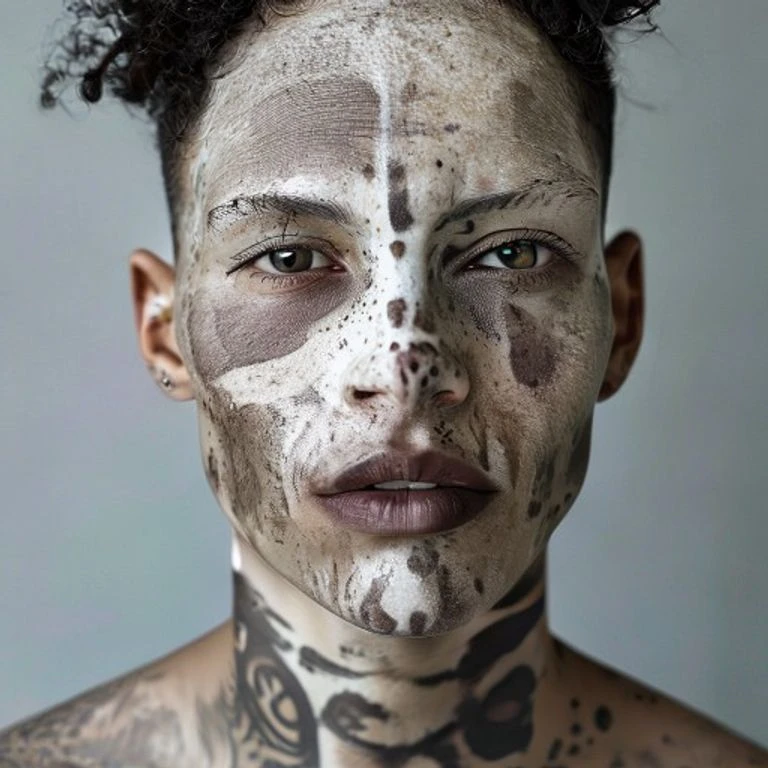
These findings advocate for a comprehensive approach to vitiligo care that moves beyond treating only the skin. Experts call for culturally sensitive, multidisciplinary strategies integrating education, psychological support, and community-based stigma reduction programs. Improved outcomes may hinge on addressing the misconceptions and social stigma surrounding the disease, not just the depigmentation itself.