Contrary to long-held belief, most pandemic-causing viruses do not evolve special mutations before jumping to humans. A UC San Diego study finds these pathogens simply exploit existing human-animal interfaces - livestock proximity, habitat destruction, and wildlife trade.
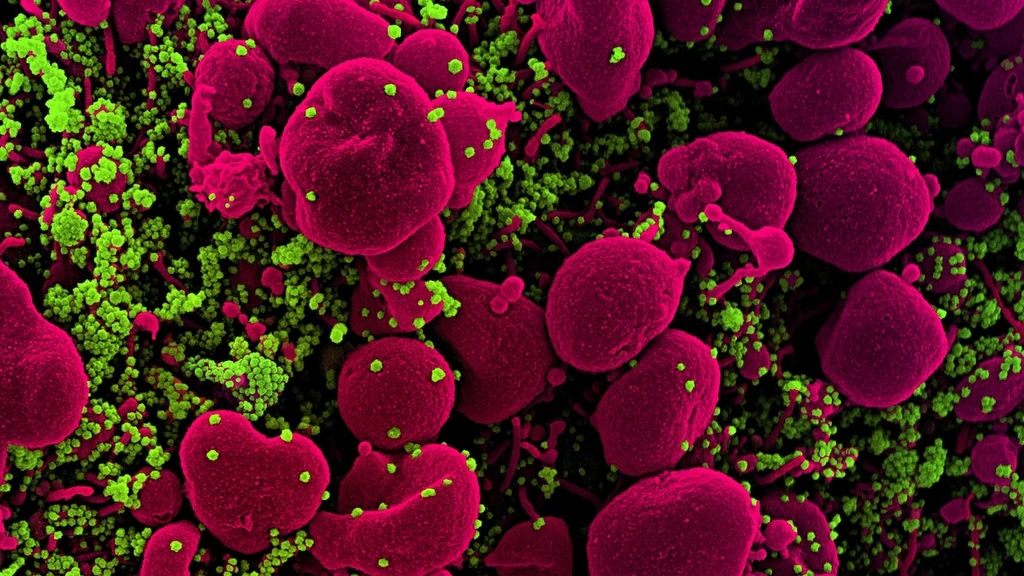
The Nipah virus is the latest zoonotic pathogen to have the world on alert. (RUSLANAS BARANAUSKAS/Science Photo Library/Getty Images)
Researchers analyzed genomes from influenza A, Ebola, Marburg, mpox, SARS-CoV, and SARS-CoV-2. None showed heightened evolutionary pressure prior to human spillover. Changes emerged only after human transmission began.
"No evidence suggests SARS-CoV-2 was shaped by lab selection or intermediate hosts," says senior author Joel Wertheim. "Its emergence aligns with natural zoonosis - another nail in the coffin for lab-leak theories."
The exception? The 1977 H1N1 flu re-emergence. Genetic evidence strongly supports a lab-origin theory - possibly from a failed vaccine trial - showing distinct lab-adaptation signatures absent in other outbreaks.
Wertheim urges global focus: "Reduce viral exposure opportunities. Surveillance and prevention matter more than waiting for ‘super-viruses’ to evolve."