
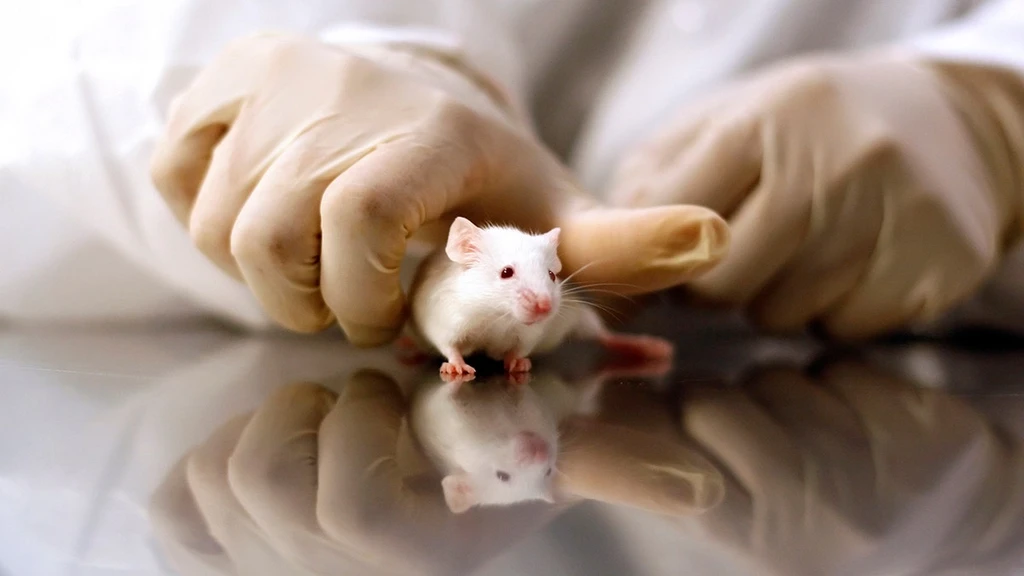
Researchers from the Korea Research Institute of Bioscience and Biotechnology have identified a potential link between gut microbiome composition and sepsis severity. The study, published in Nature, used genetically similar female mice infected with Acinetobacter baumannii to investigate why outcomes vary.
Mice with higher concentrations of Muribaculaceae bacteria in the gut were more vulnerable, with that bacteria making up about 28% of their microbiome versus 0.15% in survivors. These vulnerable mice exhibited an early, strong inflammatory response leading to higher bacterial loads in blood, lungs, and spleen. The strain Sangeribacter muris KT1-3 was also prominent in poor-outcome mice, and when co-housed, survivor mortality rates dropped to 10%.
Dr. Andrew Fleming, section chief of Infectious Diseases at NYU Langone Hospital-Brooklyn, noted that the gut microbiome can influence immune response and sepsis outcomes. He emphasized that antibiotics deplete microbiome diversity, which may worsen infection response, and called for more careful antibiotic use. However, he cautioned that Sangeribacter muris is not found in humans, so direct extrapolation requires further clinical trials.
Despite limitations, the findings reinforce the importance of maintaining a healthy gut microbiome to regulate immune function and potentially reduce sepsis risk.