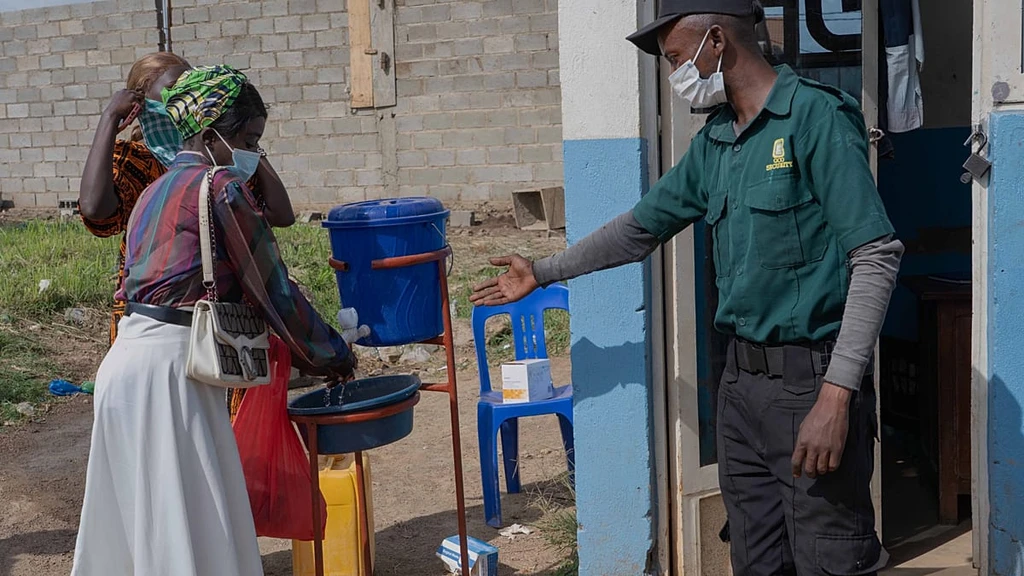
The World Health Organization has declared a public health emergency of international concern over a new Ebola outbreak centered in Congo's eastern Ituri province, with confirmed cases now reaching neighboring Uganda.
WHO Director-General Dr Tedros Adhanom Ghebreyesus announced the move Tuesday at the World Health Assembly in Geneva, saying he was "deeply concerned about the scale and speed of the epidemic."
The outbreak has caused at least 131 deaths and 500 cases, according to Congolese authorities. Two cases, including one death, have been reported in Uganda among travelers from Congo.
Tedros cited three reasons for concern: a large number of suspected cases beyond confirmed infections, spread into densely populated urban areas including Goma and Kampala, and deaths among healthcare workers indicating transmission in medical settings.
The virus responsible is the Bundibugyo strain, less common than other Ebola viruses. Unlike the Zaire strain, there are no approved vaccines or specific treatments for Bundibugyo.
Dr Celine Gounder, an infectious disease specialist who treated patients during the 2014-2016 West Africa epidemic, said: "There's nothing even close to ready for clinical trials."
The outbreak began in April, but health authorities were only alerted on May 5 via social media - by which time 50 deaths had already occurred, according to the Africa Centres for Disease Control and Prevention.
Africa CDC Director-General Dr Jean Kaseya said slow detection delayed the response. "This outbreak started in April. So far, we don't know the index case," he said.
The WHO advises against border closures and says the outbreak does not meet the criteria of a pandemic emergency like COVID-19. Control relies on surveillance, contact tracing, infection prevention, safe burials, and community engagement.