
A new comprehensive review challenges the long-held belief that fasting impairs cognitive performance. Researchers analyzed 63 scientific articles representing 71 independent studies, covering 3,484 participants.
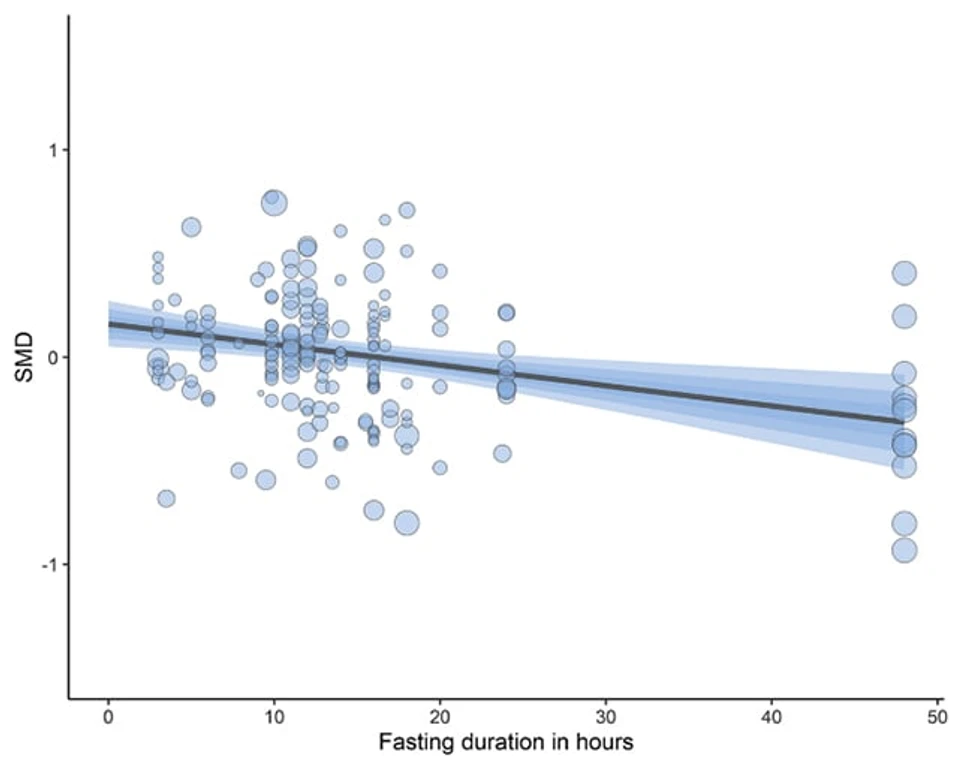
The meta-analysis found no meaningful difference in cognitive performance between individuals who were fasting and those eating regular meals. The findings counter the idea that moderate, short-term food restriction depletes mental reserves in healthy adults.
Lead researchers Christoph Bamberg from Paris Lodron University in Austria and David Moreau from the University of Auckland in New Zealand used Bayesian statistics to weigh the evidence. Cognitive skills assessed included memory recall, decision-making, and response speed and accuracy.

Some nuances emerged: modest cognitive declines were observed in fasts exceeding 12 hours, and noticeable declines in children and teenagers. Food-related tasks showed more impact, suggesting hunger may selectively divert cognitive resources in food-relevant contexts. The research was published in Psychological Bulletin.