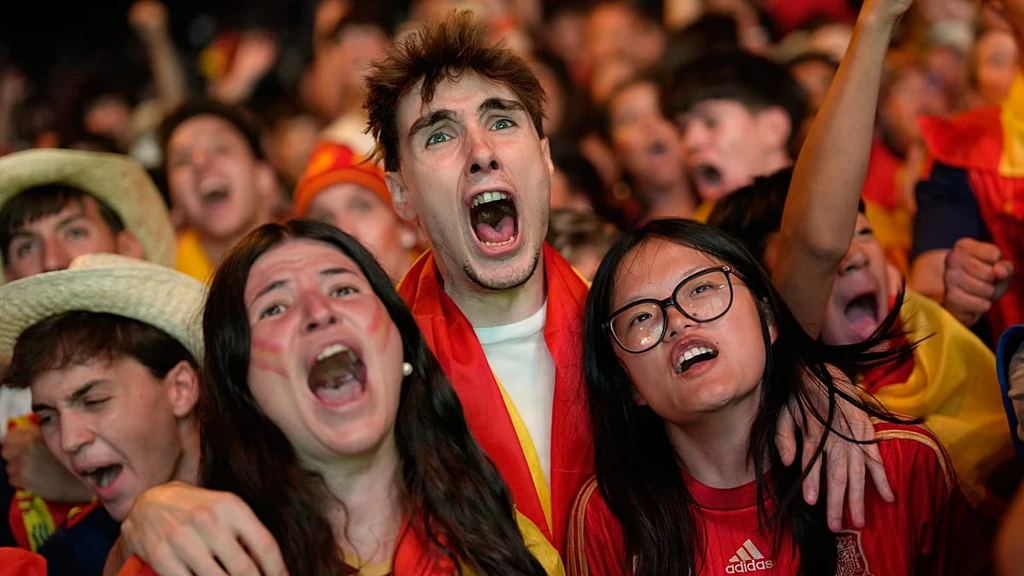
Spain is one win away from glory in the 2026 World Cup.
But as millions prepare to watch the final, cardiologists are issuing a clear health warning: the intense emotional stress can have serious consequences for some viewers.
Scientific evidence confirms high-stakes matches significantly increase the risk of heart attacks and other cardiovascular events in vulnerable individuals. Research published after the 2006 World Cup found cardiovascular emergencies multiplied by 2.7 during Germany's matches.
Spanish cardiologist José Abellán explains the body reacts to a final as if facing a dangerous situation.
"It's a stressful situation. There's a release of stress hormones like cortisol and catecholamines... which puts us in a state of stress," he states.
This hormonal surge raises blood pressure and accelerates the pulse. For someone with compromised cardiovascular health, it can be the trigger for a serious event.
"If my cardiovascular health is optimal or good, nothing is going to happen to me. But for someone with compromised health, it can act as that trigger."
Those at greatest risk have existing heart conditions: history of heart attack, stents, hypertension, diabetes, high cholesterol, or arrhythmias.
However, the risk extends beyond the match itself.
"What you need to look after is everything around the match. These are days of national jubilation when it's not just the game, but I watch it after a big feast, with junk food, with alcohol or with other drugs," Abellán warns.
He references 'Holiday Heart' syndrome, an arrhythmia linked to excessive alcohol consumption common during celebrations and major sporting events.
Key warning signs requiring immediate medical attention include: crushing chest pain, sudden shortness of breath, or persistent palpitations.
"The most important symptom is oppressive chest pain. If I suddenly feel as if I have a slab here that goes to my shoulder, to my neck, to my back, and it comes with sweating... that is not from nerves," the doctor states.
His final advice is unequivocal: "If you have any of these three symptoms, get it checked, get it checked."
The critical point: football itself does not cause heart attacks. The danger emerges when pre-existing cardiovascular disease combines with intense stress, alcohol, heavy meals, tobacco, or lack of rest.
"They should understand that it's sport, it's a competition... watch it calmly, with family and with friends. And food, alcohol, all that, we should consume in moderation," Abellán concludes.
The goal is to celebrate Spain's potential second star with your heart intact.