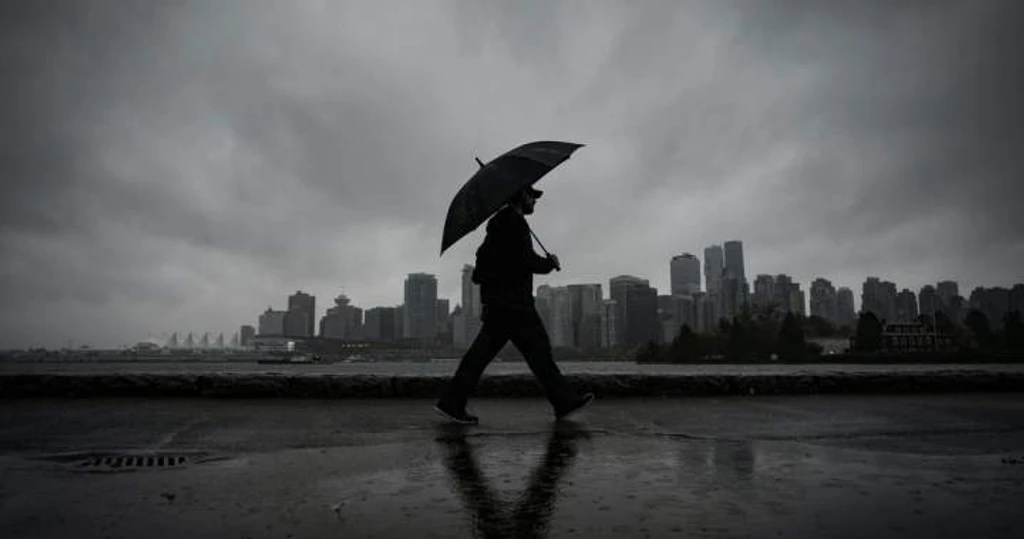
Many Canadians have faced a soggy June, prompting concerns over an intensified mosquito season. Heavy rainfall has been reported nationwide.
Meteorologist Ross Hull noted that parts like Edmonton have experienced significant rainfall, nearly a month’s worth in just a few days. Winnipeg also noted over 100mm of rain, surpassing the norm of 90mm.
Toronto’s Pearson airport recorded 80.3mm, exceeding the average of 71.5mm. Montreal faced heavy downpours, with some areas receiving 100-150mm, causing power outages and flooded basements.
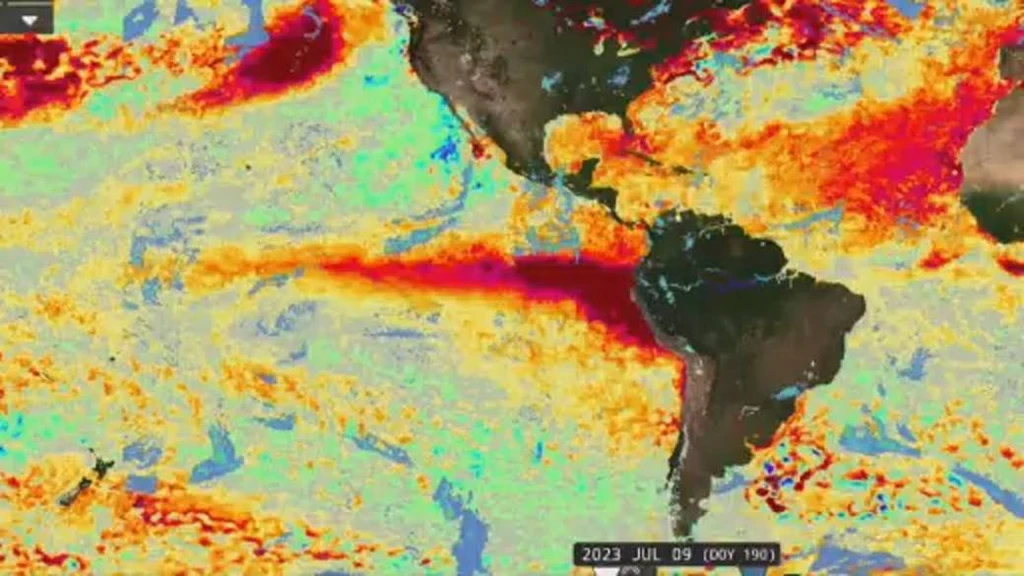
The impending “super El Niño,” expected to elevate global temperatures, has contributed to this unusual rainfall pattern. Hull highlighted that while effects vary, this year’s pattern is notably wetter for eastern Canada, particularly Ontario and Quebec, while the West experiences drier conditions.
As the summer progresses, there could be more fluctuations in weather, with dry conditions emerging in Western provinces but continued wet weather in Southern Ontario and Quebec.
Environment and Climate Change Canada anticipates increased wildfire risks despite current rainfall due to ongoing dry spells. Currently, there are 135 active wildfires across Canada.
John Soghigian, a veterinary professor at the University of Calgary, affirmed that rainfall fosters mosquito abundance. With peak mosquito season usually falling between July and August, the heavy rains this June have laid the groundwork for a significant mosquito population.
Rosalind Murray from the University of Toronto added that the life cycle of mosquitoes heavily relies on freshwater environments, essential for egg-laying and development.
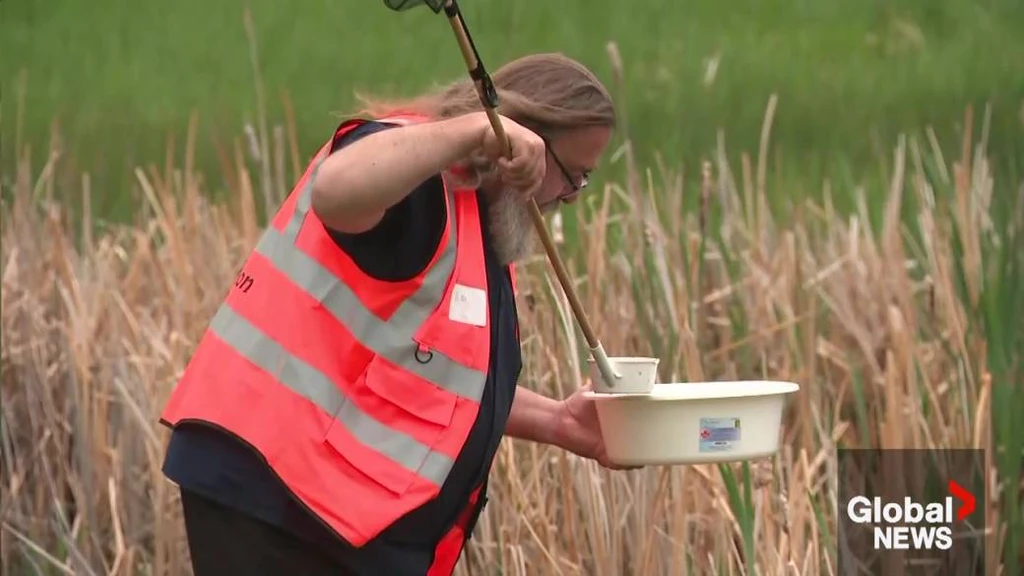
With more freshwater habitats available, experts predict a considerable surge in mosquito numbers, especially as June usually marks a peak month for mosquito activity.