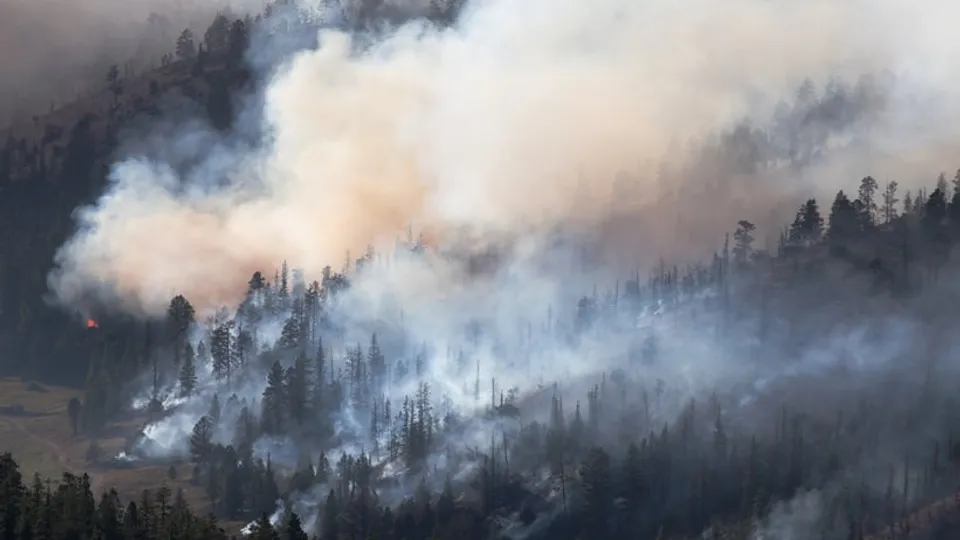
A significant study across the contiguous United States has established a link between long-term exposure to fine particulate matter from wildfire smoke (PM2.5) and increased mortality from various causes. Researchers estimate this specific pollution is associated with approximately 24,100 deaths annually between 2006 and 2020.
The analysis indicated a steady rise in mortality as annual smoke particle levels increased, with no discernible safe threshold for long-term exposure. Wildfire smoke PM2.5, particles 2.5 micrometers or smaller, can penetrate deeply into the lungs and bloodstream.
The study linked this exposure to higher all-cause mortality, as well as deaths from neurological, circulatory, cancer, respiratory, endocrine, metabolic, and mental health conditions. The findings were strengthened by advanced statistical methods designed to separate causal effects from mere correlation.
Estimates suggest that for every 0.1 mg/m3 increase in annual wildfire smoke PM2.5, around 5,600 additional deaths occurred each year. This implies wildfire-derived particles may be up to five times more toxic than general fine particulate pollution. Strongest associations were observed with neurological disease mortality, followed by circulatory and cancer deaths.
Crucially, the study found no safe level of exposure, with increased risk observed even at modest annual smoke concentrations. Despite this evidence, wildfire smoke PM2.5 is currently excluded from US regulatory calculations, as wildfires are often classified as natural disasters. The authors contend this exclusion underestimates the true health burden, especially since many fires are linked to human activity and can be mitigated.
With climate change projected to intensify wildfire frequency and intensity, the research underscores the urgent need for targeted mitigation strategies, improved land management, and enhanced protection for vulnerable communities to reduce premature deaths linked to wildfire smoke.