Calluses, those thickened patches of skin on your feet, are a natural defense against friction from walking, running, or ill-fitting shoes. While often painless, they can become uncomfortable, crack, and lead to infection if they grow too thick.
Experts advise wearing well-fitting, supportive shoes and avoiding those that rub or put pressure on your feet. High heels, narrow-toed footwear, and socks that bunch up can contribute to callus formation. Preventing constant friction is key, so consider indoor shoes or supportive slippers instead of going barefoot. Applying callus cushions to prone areas can also help.
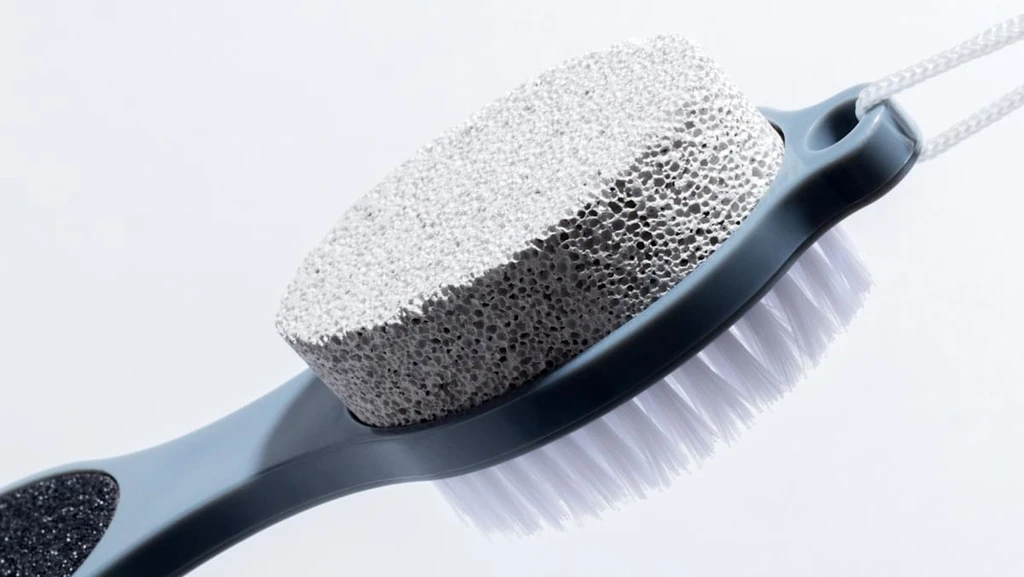
Daily moisturizing is crucial to keep skin hydrated and prevent thickening. For existing calluses, gently filing with a pumice stone or emery board after soaking feet can soften the skin. The goal is to smooth the callus, not aggressively remove skin, to avoid pain or bleeding. Those with diabetes or neuropathy should consult a doctor before attempting home removal due to potential lack of sensation.
Lotions containing 10-40% urea can help break down thickened skin. While exfoliating foot peels may offer mild benefits, they are unlikely to tackle thick calluses and can sometimes be drying. Gentle pedicures can assist, but aggressive scraping risks injury or infection.
If home treatments fail, or if a callus becomes significantly thicker or more painful, consult a dermatologist or podiatrist. Medical professionals can safely pare down calluses and can also rule out other conditions, such as corns, warts, or even skin cancer, which can sometimes be mistaken for calluses.