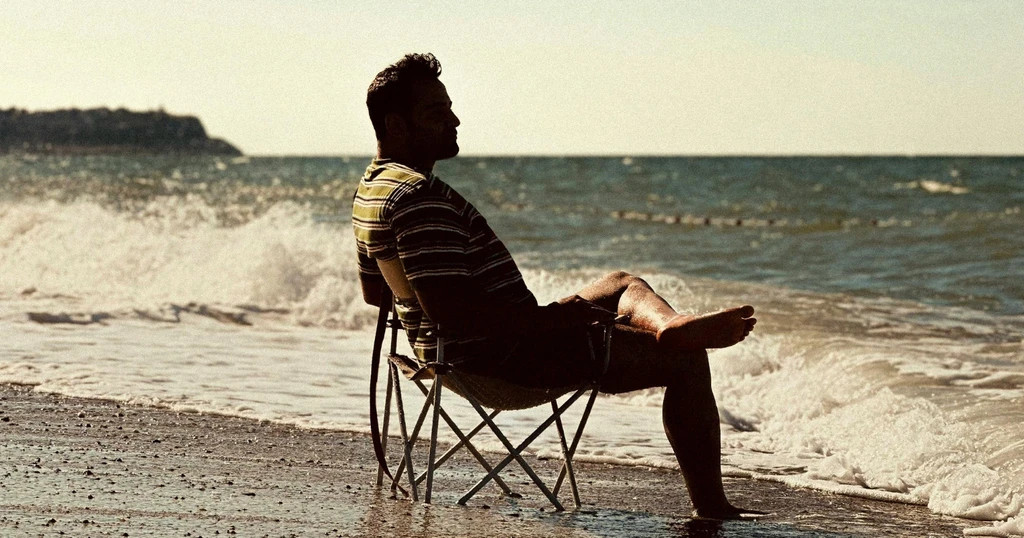
For years, the author, like many ambitious professionals, equated exhaustion with dedication, wearing dark circles as a badge of honor. This mindset shifted dramatically after becoming a parent, forcing a re-evaluation of productivity.
Contrary to popular belief, true rest is not passive collapse but an "intentional disengagement from effort," as noted by psychotherapist Katrina McCoy. Our culture often mistakes motion for progress and exhaustion for commitment, leading to a widespread inability to genuinely stop.
Experiencing Vietnam's café culture, where patrons simply sat and observed, highlighted that rest is not an absence of activity but the "presence of restoration." This can range from a workout to quiet contemplation, actively rebuilding mental and physical reserves.
Skipping rest leads to tangible costs: cognitive decline, reduced creativity, and strained relationships. The irony is that attempting to boost productivity by forgoing rest often backfires, making tasks take longer and yielding worse results.
To integrate rest, start small with short periods of inactivity, free from digital distractions. Redefine rest based on personal restoration needs and schedule it rigorously, treating it as a vital performance-enhancement tool, akin to elite athletes' recovery strategies.
The author found that early morning quiet hours, free from notifications, allow for deeper creative flow, a direct result of adequate rest. This intentional downtime enables the brain to process, integrate, and create effectively.
Ultimately, strategic rest isn't a concession to laziness but a smart approach to sustained high performance, leading to better decision-making, stronger relationships, and more impactful work. The challenge is to commit to one form of intentional rest weekly, recognizing that those achieving the most are often those who rest the smartest.