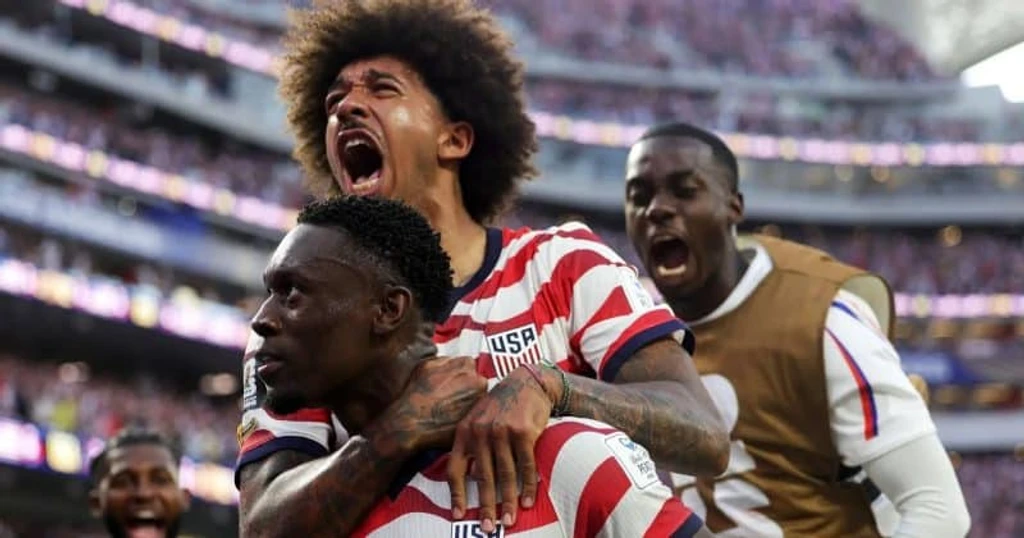
The 2026 World Cup on American soil highlights a dramatic economic transformation in soccer. Between club salaries, endorsements, and a groundbreaking equal-pay agreement, the compensation structure for the U.S. Men’s National Team reflects shifting market dynamics.
Christian Pulisic currently tops the earnings chart with an estimated $27.5 million in total annual compensation. His AC Milan salary accounts for $7.5 million, while endorsement deals with Puma and Pepsi contribute the remaining $20 million. Weston McKennie ranks second with $15 million total, earning $7 million from Juventus and $8 million from commercial partnerships.
Despite these high figures, actual World Cup bonuses remain comparatively modest. Players could earn approximately $200,000 each for advancing to the knockout stages, or $800,000 for a championship win. That top bonus represents roughly 2.9% of Pulisic’s annual income.
FIFA has set the 2026 tournament prize pool at a record $871 million, nearly double the 2022 amount. Every participating nation receives a guaranteed $12.5 million baseline for preparation. However, under a 2022 collective bargaining agreement, U.S. Soccer operates an equal-pay pooling system. The federation retains 20% of FIFA prize money, distributing the remaining 80% equally among 52 players across both national teams.
This structure means every dollar earned by the men directly benefits the women’s team, and vice versa. Consequently, individual USMNT World Cup bonuses are lower than counterparts in nations without similar agreements. Yet, when off-field income dwarfs playing salary by three-to-one, it signals that global brands see immense long-term value in the growing American audience.