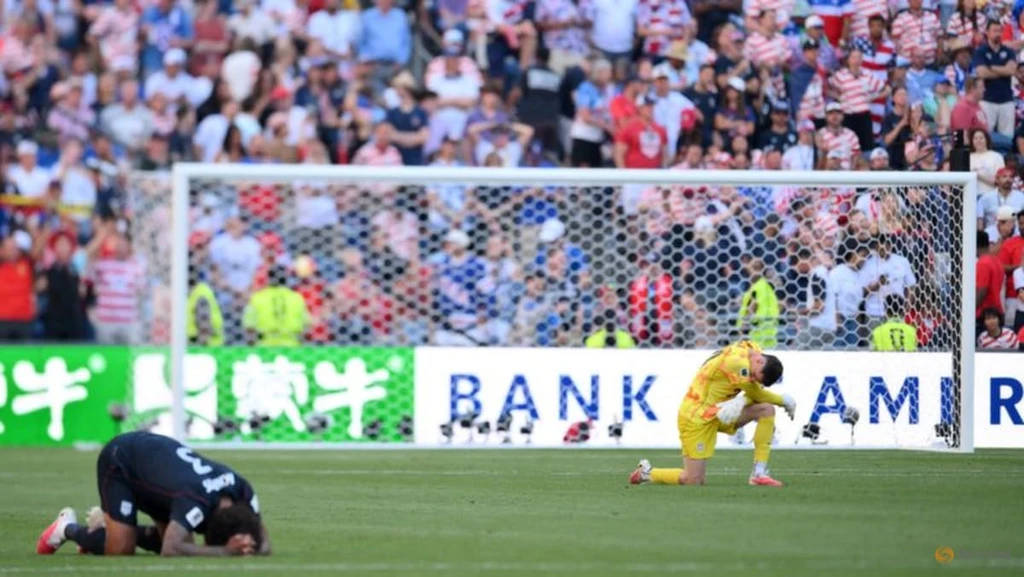
CAMBRIDGE, England: A political intervention is now threatening to define this summer's World Cup.
FIFA, international football's governing body, has reversed a standard one-game ban for America's star striker, Folarin Balogun. He was sent off against Bosnia and Herzegovina but was allowed to play in the subsequent match against Belgium.
The move appears to follow direct pressure from the White House. Media reports indicate President Donald Trump made three calls to FIFA to ensure the red card suspension was overturned. FIFA has provided no detailed reasoning for its unprecedented reversal.
The decision has triggered outrage. The Belgian football association is exploring "all potential options" to safeguard fair play. UEFA, Europe's governing body, released a statement expressing "disbelief" at an "unprecedented, incomprehensible and unjustifiable decision."
The controversy spotlights FIFA President Gianni Infantino's relationship with the Trump administration. Critics accuse him of pandering to the US president, undermining the sporting integrity he is meant to protect.
This episode damages the core of the World Cup's appeal: the collective belief in a fundamentally fair competition. The tournament's cultural power relies on trust that victories are earned within a legitimate framework. When FIFA appears to submit to political influence, that foundation cracks.
The bigger story is not Balogun's availability. It is FIFA inviting the world to question whether the rules of the World Cup are still applied equally to all.