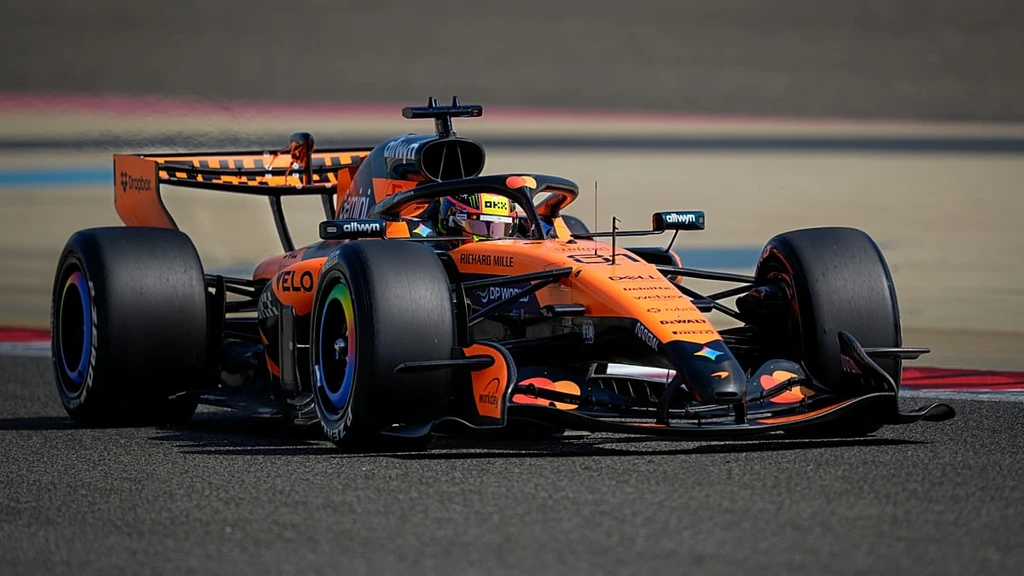
Formula 1's 2026 season marks a significant technical overhaul, ushering in new regulations that prioritize innovation. These changes include advanced hybrid power units, redesigned bodywork, and a commitment to sustainable fuels, aligning F1 closer to road car technology and its carbon-neutral goals.
The power units are undergoing a major transformation, with a 300 percent increase in battery power compared to previous generations. The new units will feature a near 50-50 split between electric and internal combustion power, reflecting a global shift away from fossil-fuel vehicles. This evolution also aims to attract manufacturers like Ford, which is re-entering F1 with Red Bull Powertrains, citing interest in electric vehicle innovation.
A key change is the elimination of the Drag Reduction System (DRS). It is being replaced by "Active Aero," a system featuring movable front and rear wings that adjust downforce to reduce drag on straights and increase it in corners. This dynamic system, along with an "Overtake Mode" for extra electrical energy when close to a car ahead, aims to enhance racing strategy and energy management.
Pre-season testing has provided an early glimpse of teams' interpretations of the new regulations. Ferrari has shown ingenuity with its power unit design and a rotating rear wing. Mercedes also emerged as a strong contender, with its power units supplying multiple teams. Red Bull is developing its own power units in partnership with Ford.
Formula 1 is also embracing Advanced Sustainable Fuels, synthetic fuels derived from sources like biomass and waste. Developed in collaboration with Zemo Partnership, these fuels are designed to be 'drop-in,' compatible with existing engines, and a step towards reducing greenhouse gas emissions in the transportation sector. These innovations are poised to influence future road car technology and motorsport sustainability.