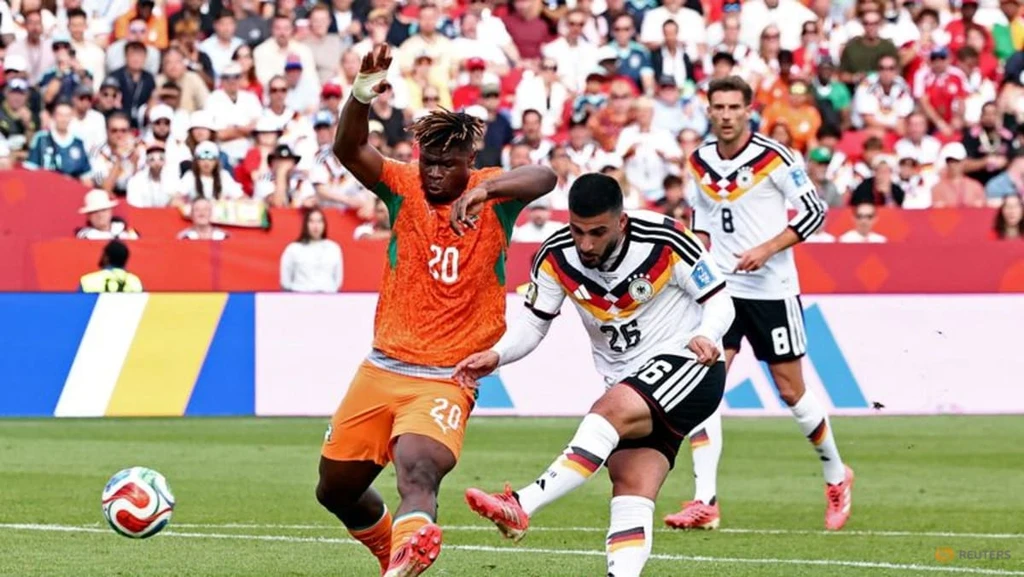
MIAMI, June 29 : The 2026 World Cup group stage delivered a spectacle of goals, with substitutes and tactical innovation taking center stage, according to FIFA's Technical Study Group.
A remarkable 43 of the tournament's 215 goals so far have come from players off the bench. Germany's Deniz Undav exemplified this trend, proving prolific with three goals and two assists to help secure his team's path to the knockout stage.
The analysis highlighted a new level of clinical finishing. France stood out as the most ruthless team, netting 10 goals from an expected goals (xG) metric of just 5.
"The technical quality of the shot, the precision and decision-making has been incredible," said former Sweden manager Jon Dahl Tomasson, particularly impressed by France's Ousmane Dembele and Argentina's Lionel Messi.
Counter-pressing emerged as a defining strategy. The United States, co-hosts under coach Mauricio Pochettino, were identified as an outlier. Their philosophy of immediately hunting to regain possession after losing the ball helped them top their group. Data showed winning teams regained the ball four seconds faster than losing teams.
"You see how they counter-press quickly and regain the ball in the opposition half so they can counter-attack closer to the opposition box," former Argentina international Pablo Zabaleta explained.
Perhaps the most dramatic evolution is the role of the goalkeeper. The percentage of goal kicks taken by keepers has plummeted from 91% in 2022 to just 52% in 2026, with defenders often passing the ball back to them to start play.
"The goalkeeper is a key player, almost like a quarterback," said former Switzerland keeper Pascal Zuberbuehler.
This tactical shift was instrumental for debutants Cape Verde, whose keeper Vozinha executed a perfect game plan and earned a man-of-the-match performance in a vital draw against Spain.