neuroscience
-
 health
High-Functioning Emotional Systems: Why You Need Alone Time After Socializing
Psychology reveals that needing alone time after social events indicates a more complex emotional operating system, not antisocial behavior.
-
 health
Alcohol Fractures Brain Communication, New Study Reveals
New research shows even a few drinks fragment brain communication, leading to localized processing and reduced global connectivity. Findings may explain varying intoxication levels.
-
 health
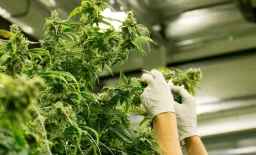
Cannabis Use Linked to Impaired Working Memory in Young Adults
New research reveals cannabis exposure is associated with reduced brain activation during working memory tasks, impacting cognitive function in young adults.
-
 health
Sensory Overload: Why Crowded Restaurants Trigger Anxiety for Some
Discover the subtle sensory processing quirks that can make busy restaurants overwhelming and how to manage them.
-
 health
Deep Sleep: A Powerful Defense Against Alzheimer's Memory Decline
New research suggests prioritizing deep sleep may significantly mitigate memory loss associated with Alzheimer's disease, offering a vital lifestyle intervention.
-
 health
Beyond Age 60: Cognitive Superpowers Emerge
Discover eight advanced mental abilities that sharpen after age 60, offering unique advantages often absent in younger individuals.
-
 tech
techLab-Grown Mini-Brains Trained to Solve Engineering Challenges
Scientists have successfully trained lab-grown brain organoids to solve a classic engineering problem, demonstrating adaptive learning through electrical feedback.
-
 health
Speed Training Slashes Alzheimer's Risk, Decades-Long Study Reveals
New research shows a specific type of cognitive training can significantly lower dementia risk over two decades, offering a proven path to brain health.