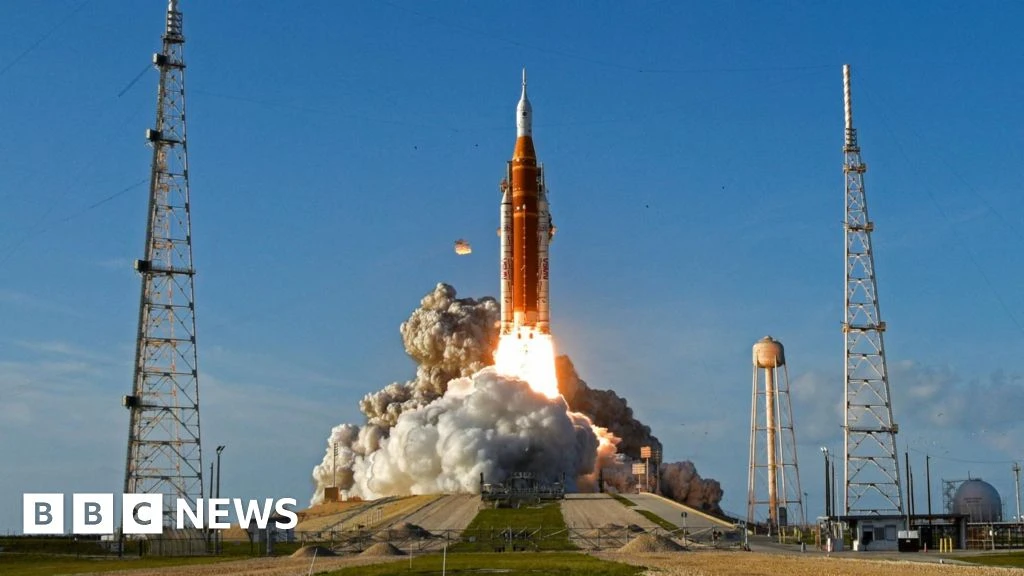
NASA's Artemis II mission has successfully completed its initial phase, marking a critical milestone toward a potential 2028 Moon landing.
The mission, featuring astronauts Reid Wiseman, Victor Glover, Christina Koch, and Jeremy Hansen, launched on April 1st aboard the Space Launch System (SLS) rocket. The spacecraft performed flawlessly, executing a precise trajectory to the Moon and back-without needing additional course corrections.
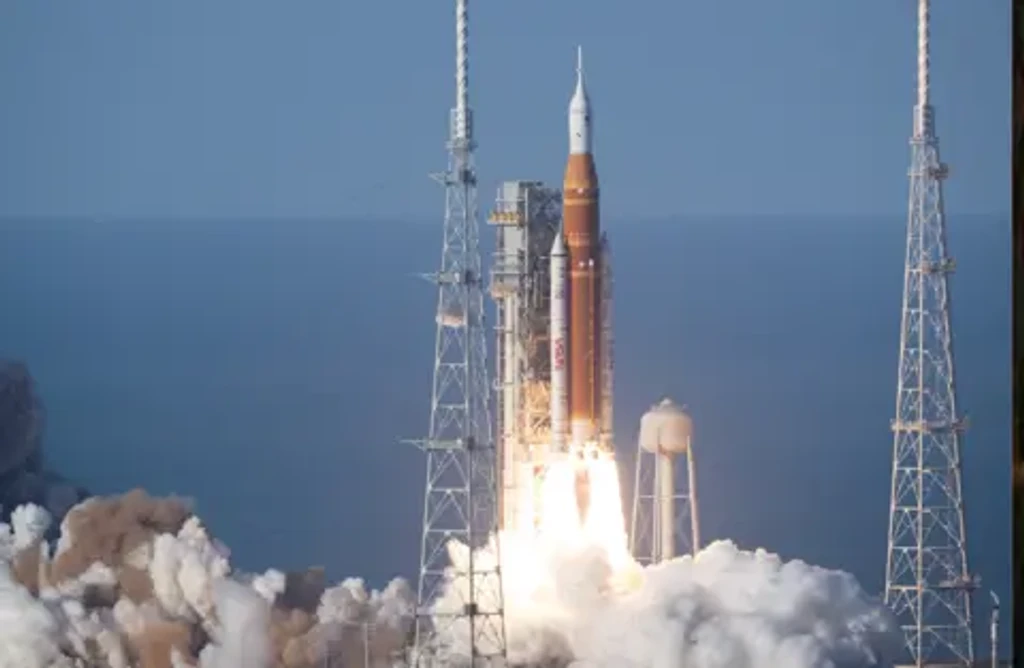
Orion's systems operated as designed, validating its readiness for deep space travel and future lunar missions. Crews reported minor technical issues, such as water dispenser problems and helium system redundancy losses-but all were resolved without impacting mission success.
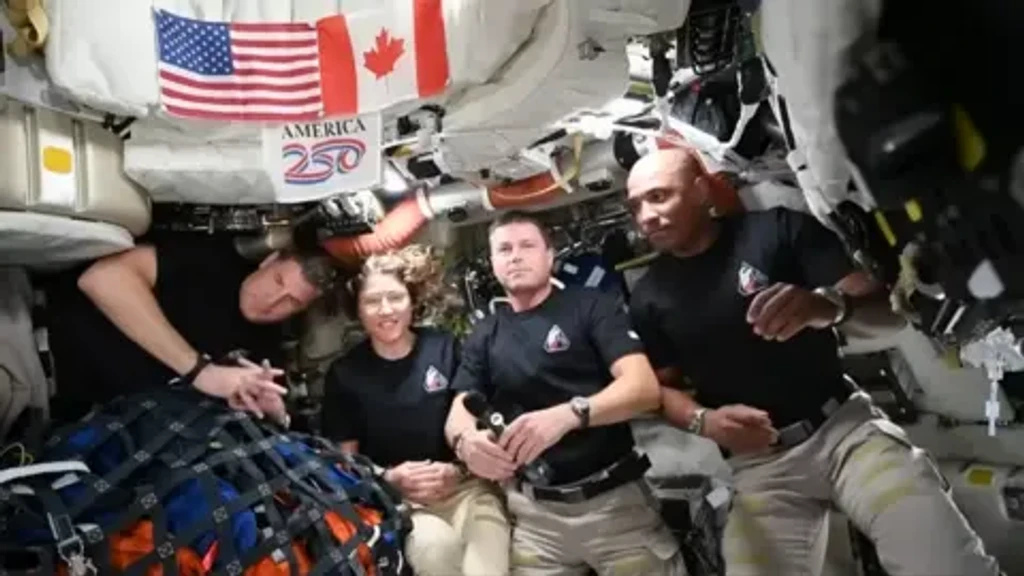
One of the mission’s emotional highlights came when astronaut Jeremy Hansen named a lunar crater after his late wife, symbolizing humanity’s enduring connection to space exploration. This moment echoed the cultural impact of the Apollo era.

The next challenge lies in re-entry into Earth’s atmosphere-where Orion will face the same heat shield scrutiny that delayed Artemis I. If successful, this mission will solidify NASA’s strategy to accelerate lunar ambitions.
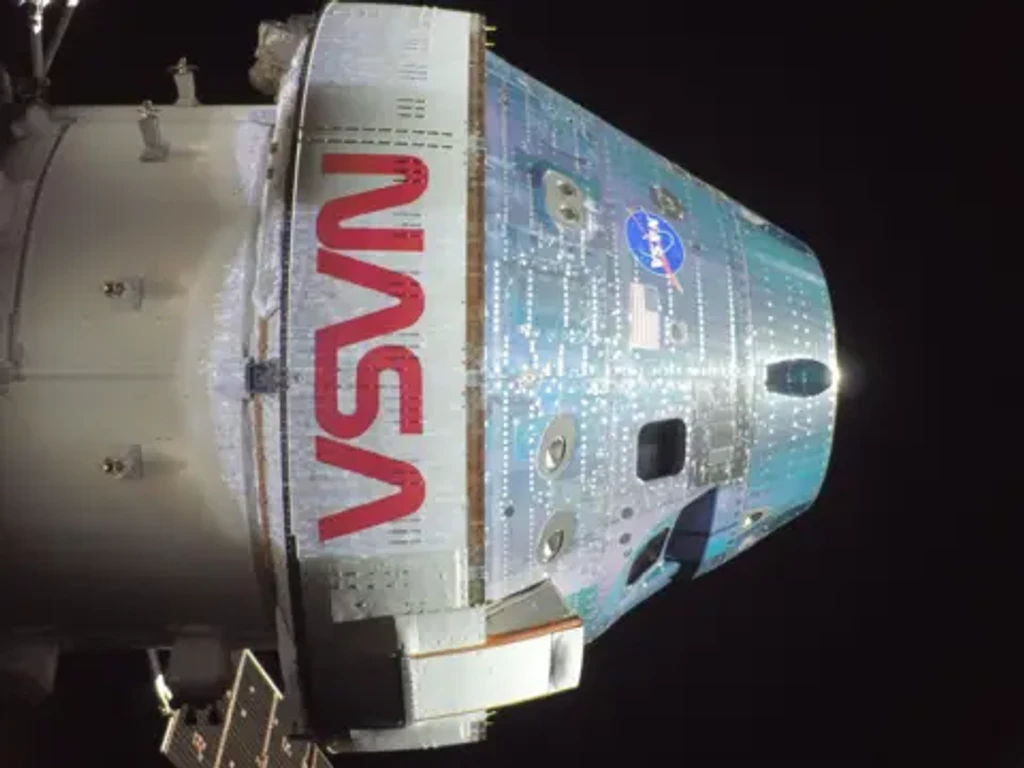
Re-entry on April 11th marks the final phase of this historic test flight.