KUALA LUMPUR - Malaysia is rapidly emerging as a pivotal node in the global electric vehicle supply chain, driven by geopolitical shifts and massive foreign direct investment. While the name Pentamaster may not appear on vehicle hoods, this local firm ranks among the world’s top five manufacturers of specialized test equipment for EV power chips.
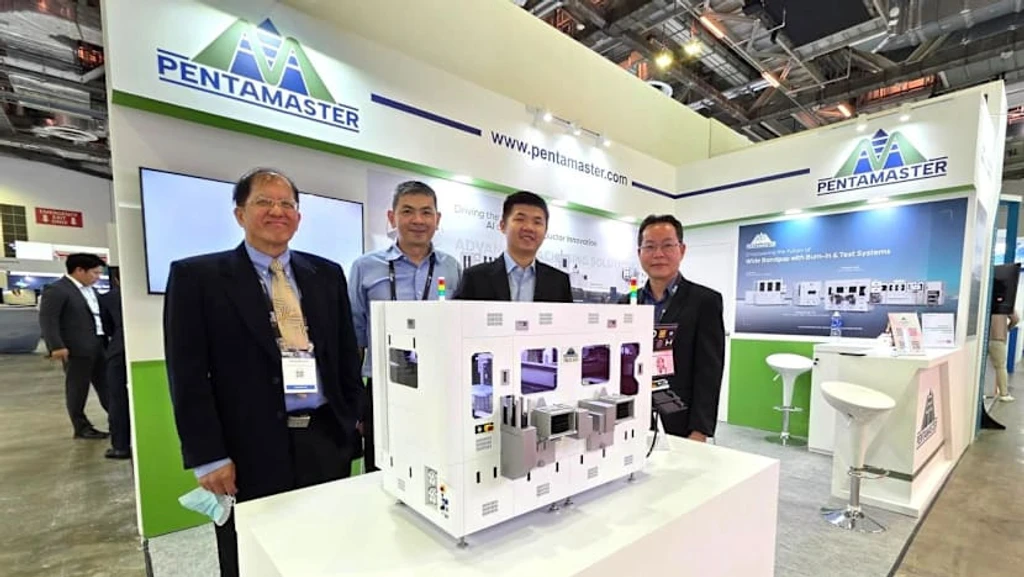
As major auto giants scale production, demand for precision testing surged. Since 2016, the company shifted focus to power chips made of advanced materials like silicon carbide.
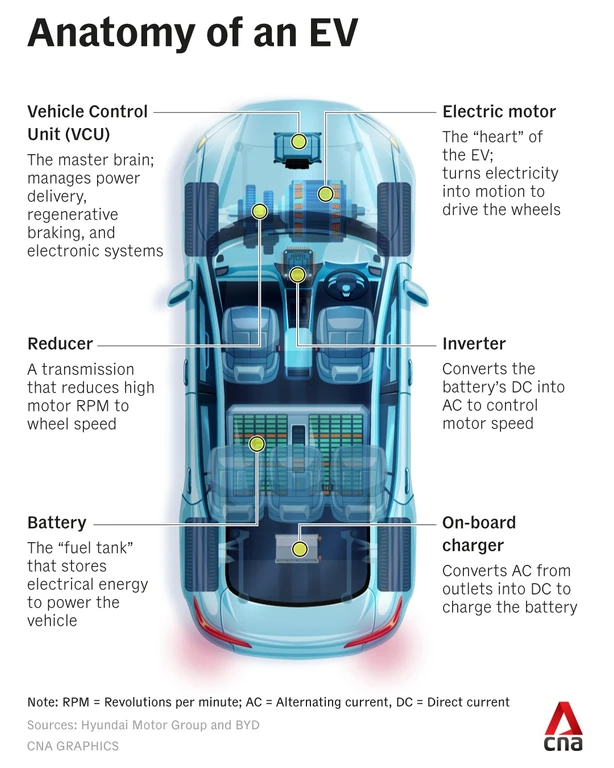
A single EV can require up to 3,000 semiconductors, triple the number found in traditional petrol cars. Malaysia currently holds the title of the world’s sixth-largest exporter of semiconductors.

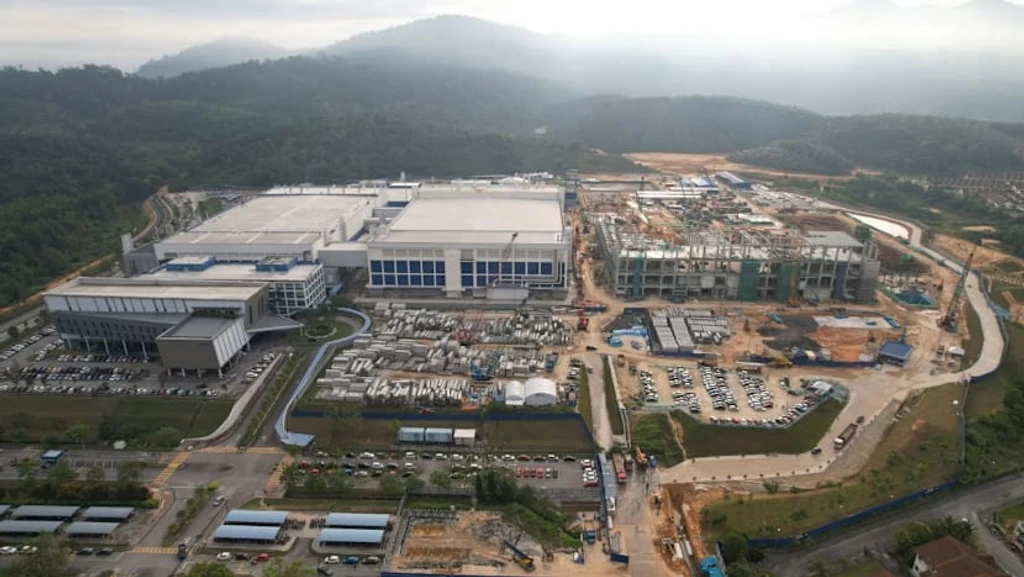
Infineon Technologies opened a EUR 7 billion silicon carbide production facility in Kulim last year, aiming to serve 30 percent of the global market by 2030.
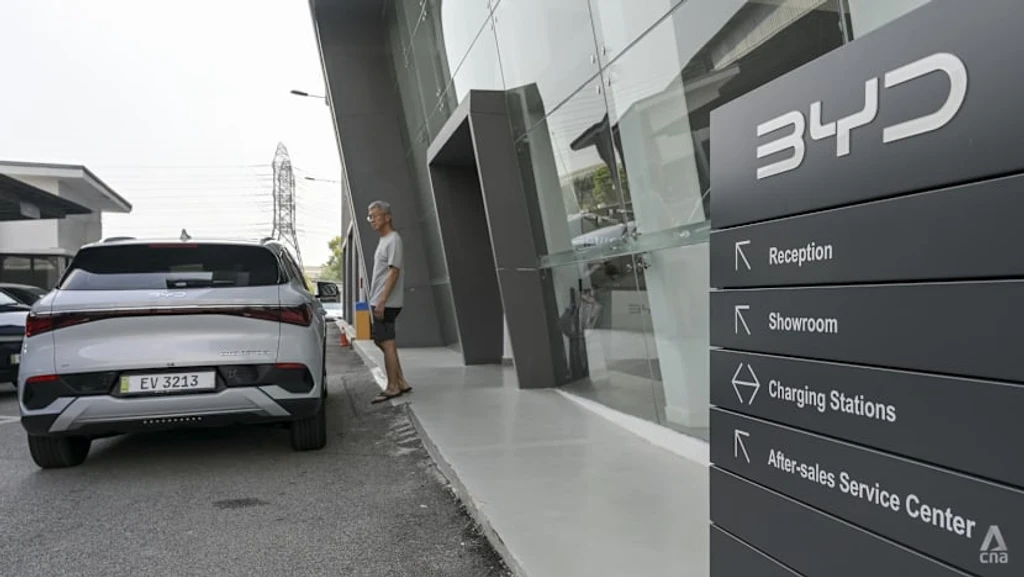
Chinese giant BYD is set to begin local assembly at its new RM1.3 billion facility in Tanjung Malim by late 2026. Meanwhile, Volvo and Chery have established dedicated assembly plants.
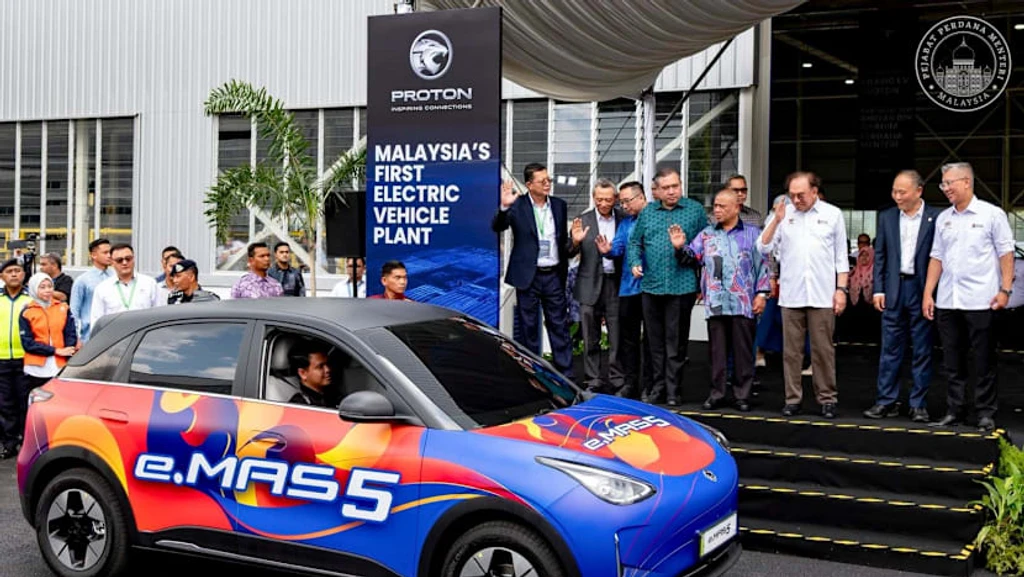
Despite the investment wave, EV manufacturing remains a small fraction of total vehicle assembly. However, Proton’s e.MAS 5 hatchback recently became the country’s best-selling EV, marking the first time an electric vehicle entered the national top-five sales rankings.
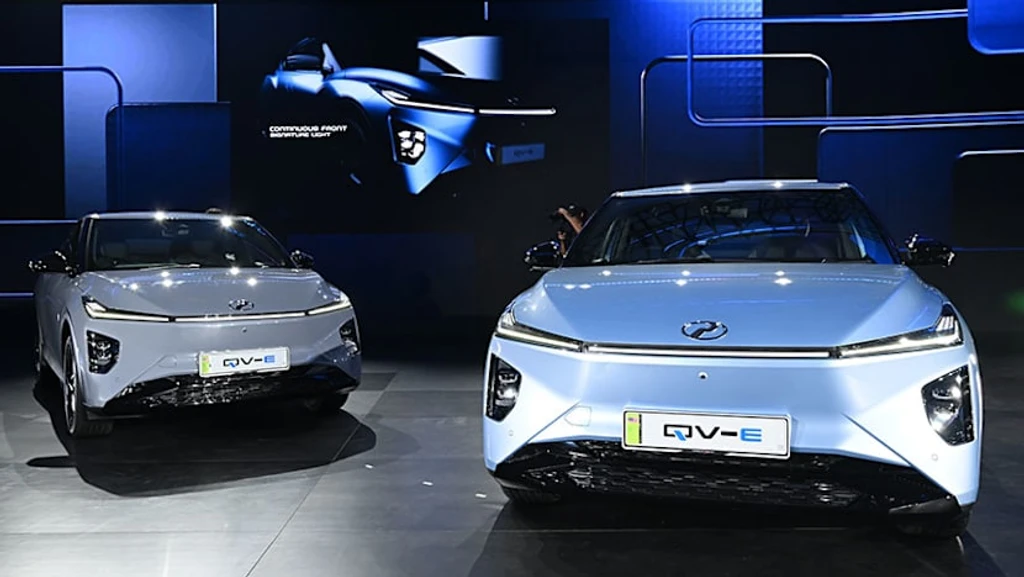
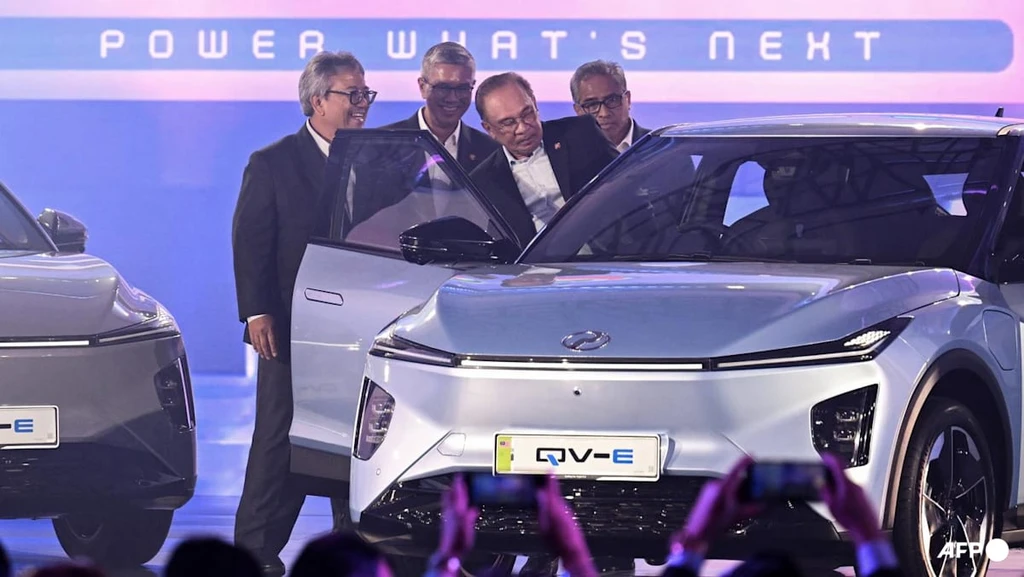
Malaysian automaker Perodua launched the homegrown QV-E, investing RM800 million in local research and development. While sales lagged behind Proton, the move aims to cultivate domestic engineering talent.
Industry leaders aim to move beyond basic assembly into high-value integrated circuit design. Front-end processes offer profit margins nearly double those of traditional hardware assembly.

Officials target Malaysia as the fourth or fifth force within the global EV ecosystem, reducing reliance on imports for batteries and motors.
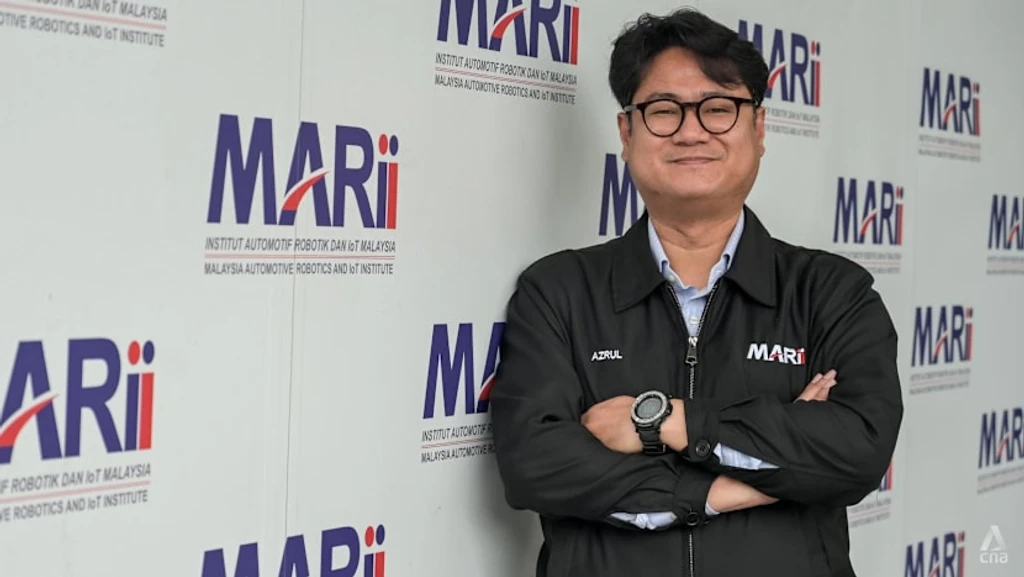
Local vendors are expanding to support national localization targets for parts by 2030.