Artificial intelligence (AI) is poised to reshape air travel, addressing increasing congestion and enhancing efficiency. Innovations showcased at Mobile World Congress highlight AI's central role in future airport operations.
ALBA Robot is pioneering self-driving robots designed to transport passengers and luggage within terminals. These AI-powered units navigate autonomously, avoiding obstacles and guiding travelers to their gates. Already in use at some European airports, trials are underway in the UK and US.
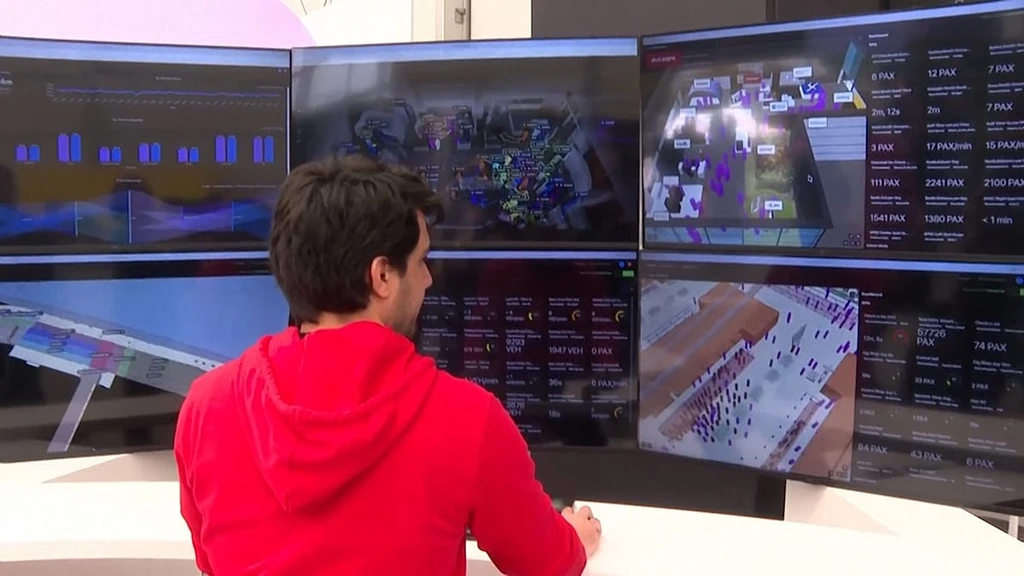
Furthermore, AI software from Outsight is being developed to monitor and predict passenger flow, from entrance to gate. By assigning unique IDs to moving objects and creating digital twins of airport environments, the system analyzes passenger movement. This data helps airports prevent overcrowding, shorten queues, and optimize passenger spending in retail and dining areas.
"The operations team at airports or at any other location can learn and see exactly what they will do tomorrow," stated Eduardo De La Espriella, marketing team lead at Outsight. This predictive capability aids in staffing and resource allocation.
Beyond passenger experience, AI is also addressing aviation's environmental impact. The French company Waltr has developed a system using specialist cameras to monitor aircraft on the ground. This technology identifies areas of fuel wastage, advising pilots to optimize taxiing and alerting to unnecessary auxiliary power unit usage. Half of airport CO2 emissions occur while aircraft are on the ground, making such efficiencies critical.
With international air traffic growing significantly, these AI-driven advancements are crucial for managing future demand.