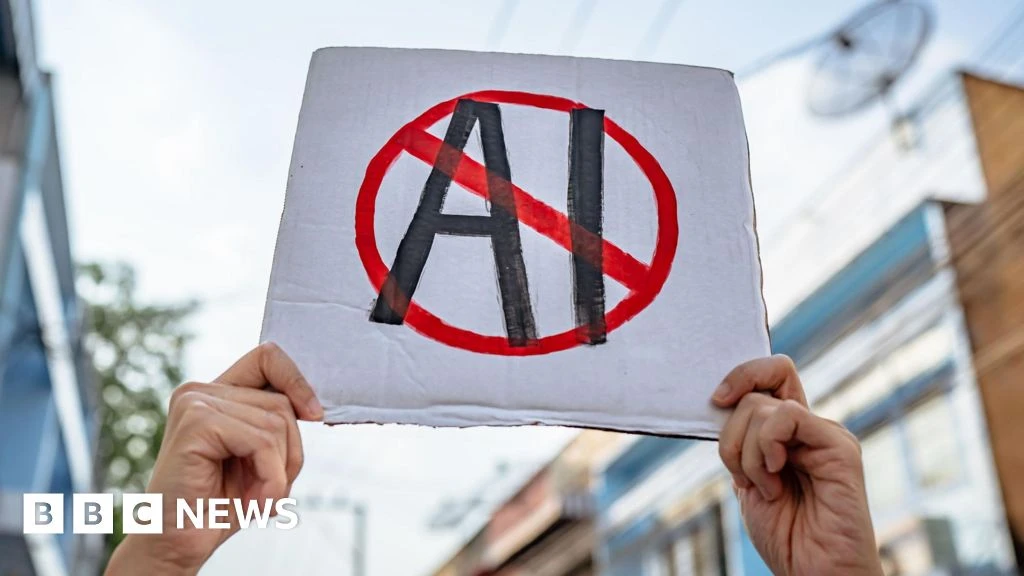
Organizations across the US, UK, and Australia are racing to establish a globally recognized 'AI-free' label for human-made products amid rising concern over AI-driven automation.
Labels like "No A.I.", "Human-made", and "Proudly Human" are appearing on films, books, and marketing materials. At least eight initiatives now exist, but experts warn consumers may be confused without a universal standard.
"AI is creating significant disruption and competing definitions of what is 'human made' are confusing consumers," says Dr Amna Khan of Manchester Metropolitan University.
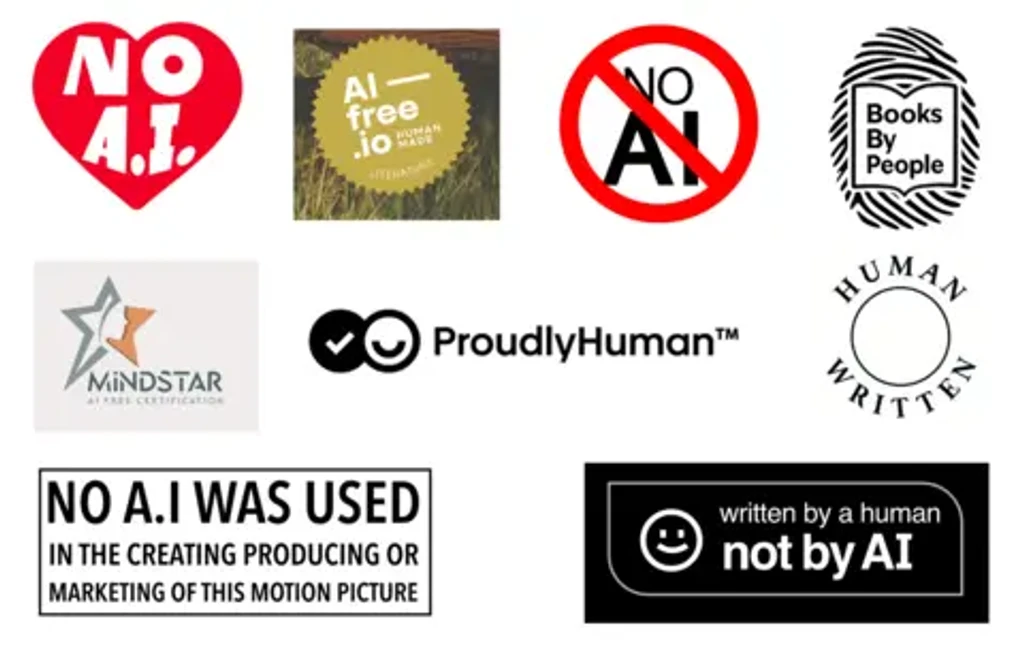
Some certifications, like no-ai-icon.com and notbyai.fyi, allow free or paid downloads with minimal vetting. Others, such as aifreecert and Books by People, require audits, questionnaires, and AI-detection software.
AI Research Scientist Sasha Luccioni notes: "AI is so integrated into platforms that 'AI-free' is technically hard to define. We need spectrum-based systems, not binary labels."
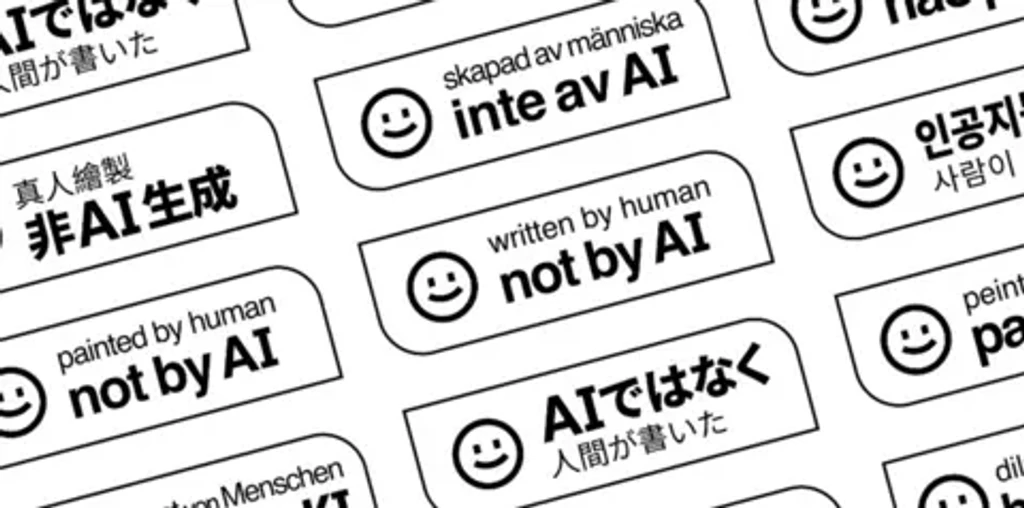
The film industry has taken early action. The 2024 Hugh Grant thriller Heretic included a disclaimer: "No generative AI was used." Distributor The Mise en Scène Company added a 'No AI was used' stamp to its latest film poster.
Publishing houses like Faber and Faber now use 'Human Written' stamps. Author Sarah Hall called AI training on books "creative larceny at scale."
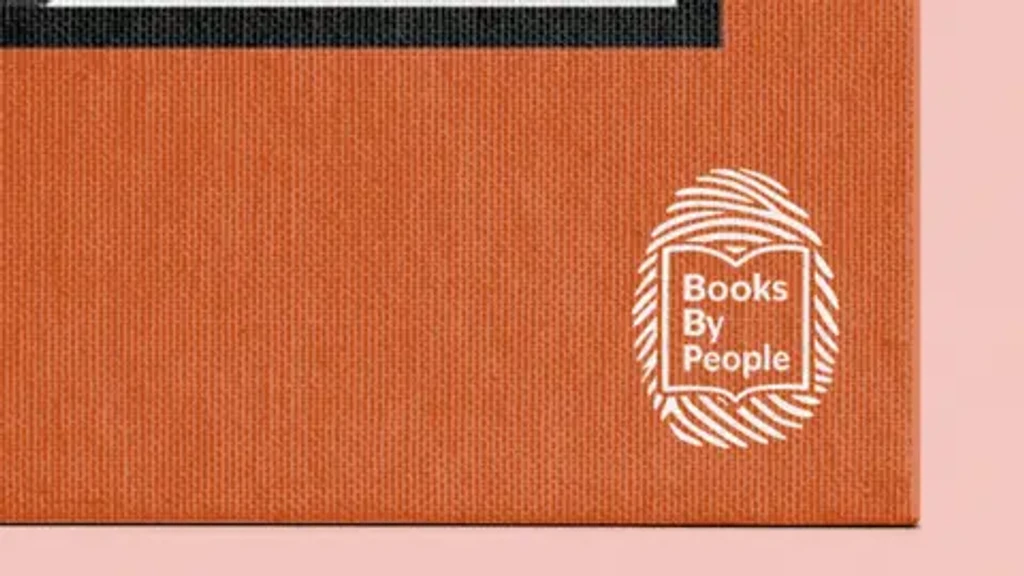
Books by People verifies authors through audits and sampling. Five publishers are now certified, starting with Telenova in November.
In Australia, Proudly Human enforces rigorous checks across all publication stages. CEO Alan Finkel says self-certification fails: "We need full verification for truly human-originated content."
The initiative may expand into music, photography, and animation as demand grows for transparency in creative authorship.