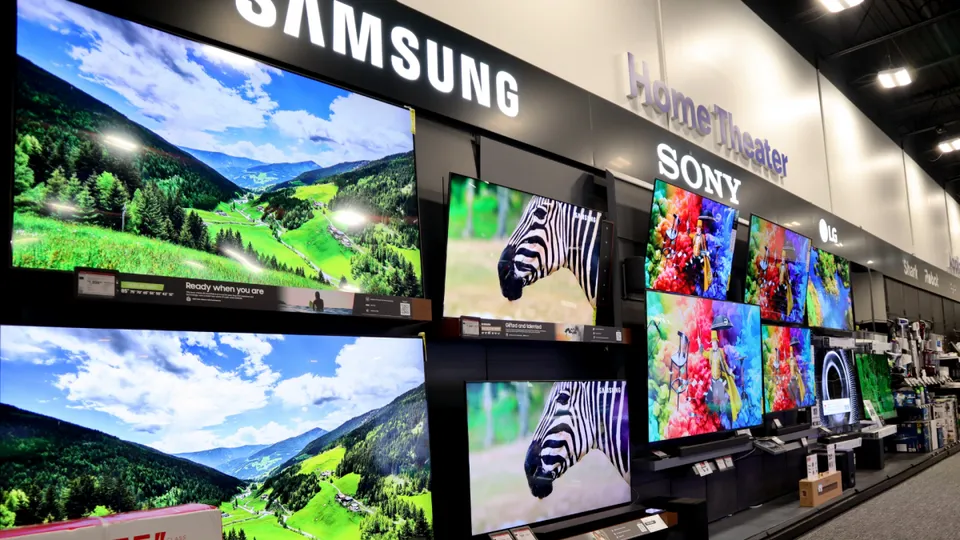
The escalating demand for artificial intelligence is triggering a worldwide shortage of RAM, a situation industry analysts are calling "RAMageddon." This scarcity is not confined to personal computers; it's expected to drive up prices for televisions, game consoles, smartphones, and other devices reliant on memory and processing power.

Televisions typically require between 1GB and 8GB of RAM for their smart features and video processing. Over the past year, the cost of these memory units has more than quadrupled. Major electronics manufacturers, including Samsung, have acknowledged the potential need to adjust product pricing. While TVs use less advanced memory than some other devices, analysts predict an "unavoidable" price hike for new models.
The core of the issue lies with large technology corporations like Microsoft, Google, and Nvidia aggressively securing memory supplies for their AI data centers. These industry giants possess significant market power, leaving smaller manufacturers struggling to compete for resources. The resulting price increases and potential shifts in product launches will disproportionately affect companies with less leverage.
For consumers currently in the market for a new television, now presents an opportune moment. Retail prices for smart TVs have seen a notable decrease in recent years, and manufacturers often offer clearance deals to make way for new models. Sets purchased before the full impact of the RAM shortage hits the retail market are likely to represent the last opportunity for pre-increase pricing.
Industry projections suggest the RAM shortage will persist until at least 2028. AI is expected to consume a significant portion of high-end DRAM in the coming years, with manufacturers prioritizing these advanced chips. While investments are being made to expand memory manufacturing, the time required to establish new production facilities means elevated prices are likely to remain a reality well into the future.