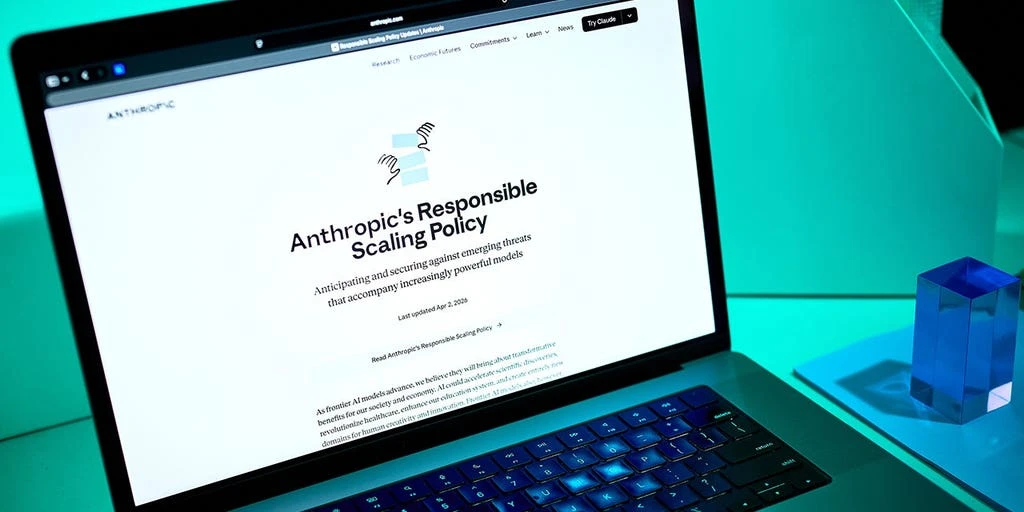
Anthropic's new AI model, Mythos, built for defensive cybersecurity research, has proven so effective at discovering software vulnerabilities that the company has restricted its public access. Trusted partners like Microsoft and Google are being granted controlled access first, while researchers work to establish necessary safeguards.
Mysthos uncovered over 2,000 previously unknown software vulnerabilities in a mere seven weeks. This rapid discovery rate highlights the accelerating pace at which AI can expose hidden weaknesses in software. John Ackerly, CEO and Co-Founder of Virtru, noted that Mythos found vulnerabilities that the best human researchers had overlooked for decades.
The sheer volume of vulnerabilities found - representing a significant portion of the world's annual output prior to AI's widespread application in this field - indicates a potential surge in discovered flaws as more AI models become available. Experts suggest that the traditional approach of building stronger perimeter defenses is becoming less viable as AI can identify and exploit flaws at an unprecedented speed and scale.
Mythos AI differentiates itself through its autonomy and speed, enabling it to discover vulnerabilities and generate exploits much faster than human-led processes. This dramatically lowers the technical barrier for malicious actors, potentially allowing individuals with less expertise to exploit software flaws and cause significant damage.
The rapid advancement of AI in cybersecurity challenges the decades-old strategy of perimeter defense, which relies on firewalls and network monitoring to keep threats out. With AI capable of finding and exploiting vulnerabilities at machine speed, the focus is shifting towards protecting the data itself rather than solely relying on external defenses.
While AI tools like Mythos present new challenges, they can also enhance data-centric security. By protecting data at the object level, AI agents can enforce governance, manage access controls, and audit data flows in real time. The critical question for organizations is no longer just about building higher walls, but ensuring data remains protected even when those walls fail.

For individuals, this means an increase in more frequent, targeted, and harder-to-spot breaches and scams. Basic cyber hygiene, such as using unique passwords, enabling multi-factor authentication, and being selective about shared data, becomes increasingly vital. The emphasis is on data owners having governance over their information, as traditional perimeters are becoming less reliable.