
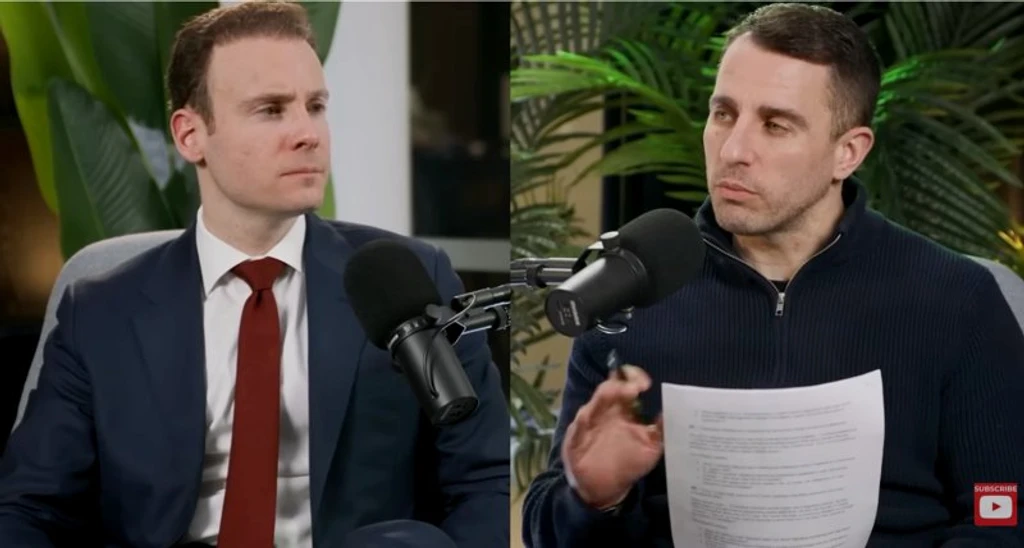
Michael Selig, chair of the US Commodity Futures Trading Commission (CFTC), believes blockchain technology can play a crucial role in verifying AI-generated content. During an appearance on The Pomp Podcast, Selig explained that blockchain can help distinguish authentic media from synthetic outputs, which is increasingly important as concerns over misinformation rise.
Selig emphasized the need to maintain US leadership in crypto and AI, stating, 'You can’t have AI without blockchain.' He also noted that the CFTC is taking a cautious regulatory approach, focusing on regulating the actors involved in financial activities rather than the software developers.
A central challenge in the rise of AI is distinguishing real content from synthetic media. Selig’s comments align with broader efforts among policymakers and developers to use blockchain for content verification and provenance.
One approach is proof-of-personhood systems, which aim to confirm that an account belongs to a real, unique human. Prominent examples include World ID, which uses encrypted biometric iris scans to prove humanity without revealing personal data. Ethereum co-founder Vitalik Buterin has proposed using cryptography and blockchain to enhance online verifiability.