Enterprises face a dual challenge: aggressively adopting AI while grappling with a fragmented infrastructure across edge, cloud, and on-premises. This complexity is hindering innovation, with operations teams bogged down by managing disconnected tools that generate alerts but lack actionable insights.
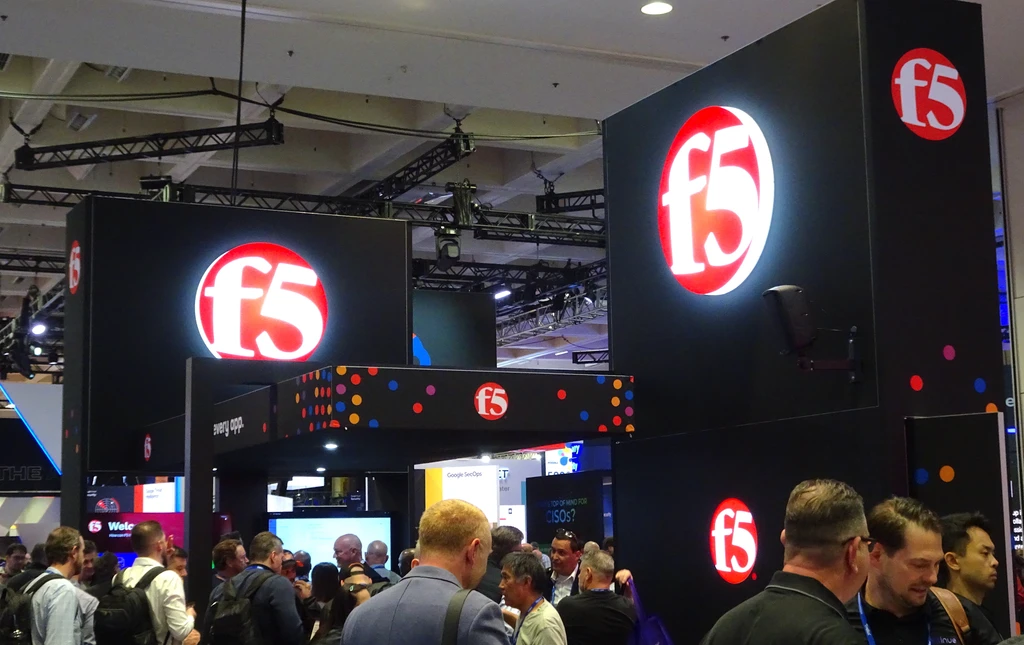
At F5 AppWorld in Las Vegas, the focus shifted to the practicalities of AI implementation. F5's message is clear: a "Frankenstein" architecture of disparate products cannot secure or scale the AI era. The industry is moving towards a consolidation of networking and security, a concept F5 terms the Application Delivery and Security Platform (ADSP).
Three key friction points are stalling AI adoption:
- Signal-to-Noise Ratio: IT environments are flooded with data but lack crucial information. Unified observability is needed to identify bottlenecks in AI training or security flaws in large language models in real-time.
- Agentic Security Gap: As AI agents autonomously interact with APIs, the attack surface expands dramatically. Traditional security measures are often blind to the specialized traffic of AI-to-AI interactions.
- Quantum Computing Threat: The looming threat of quantum computing necessitates "crypto-agile" infrastructure capable of transitioning to post-quantum cryptography.
F5's ADSP aims to collapse this complexity into a unified platform. The platform provides unified visibility across hybrid and multicloud settings with AI-driven guidance. Key enhancements include F5 Insight for AI-driven operational narratives, BIG-IP v21.1 with NIST-compliant PQC ciphers, AI Remediate to automate security policy creation, and NGINX Agentic Observability for detecting unauthorized AI activity.
This platform approach promises business velocity by reducing risk, tool sprawl, and proxy overload. By offering a converged, AI-aware infrastructure, F5 enables customers to simplify complex environments and prepare for an AI-first future.