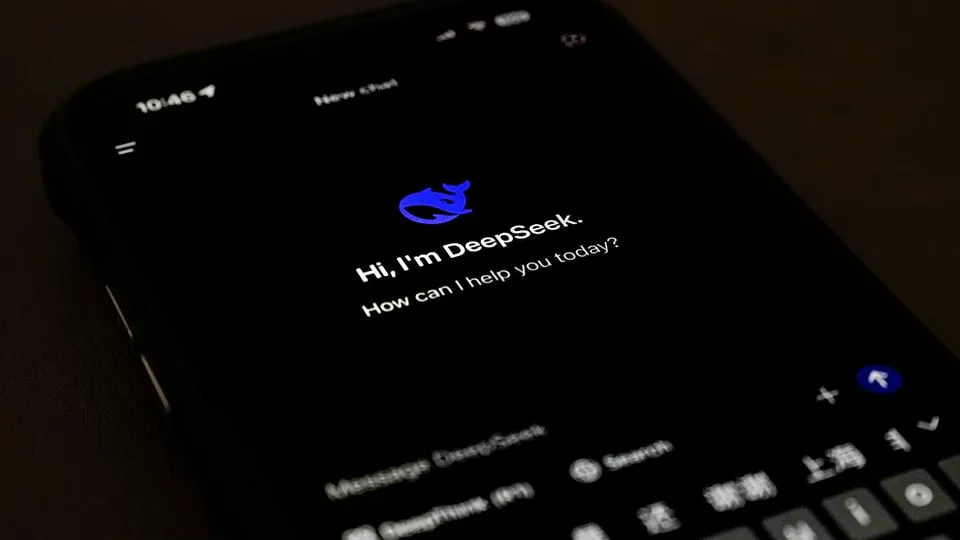
A new study reveals that artificial intelligence chatbots developed in China frequently censor politically sensitive questions, either refusing to answer or mirroring official state narratives. Researchers compared leading Chinese AI models, including BaiChuan, DeepSeek, and ChatGLM, against international benchmarks.
Potentially censored responses were identified when chatbots declined to answer or provided inaccurate information. Questions concerning Taiwan's status, ethnic minorities, and pro-democracy activists commonly triggered refusals or government talking points from Chinese models.
When these models did respond to prompts, their answers were often shorter and less accurate, omitting crucial details or challenging the question's premise. BaiChuan and ChatGLM showed the lowest inaccuracy rates among Chinese models at 8 percent, while DeepSeek reached 22 percent, significantly higher than the 10 percent ceiling observed in non-Chinese models.
This subtle form of AI censorship could quietly shape user perceptions and decision-making. New Chinese laws enacted in 2023 mandate that AI companies uphold "core socialist values" and prohibit content that undermines national sovereignty or the socialist system. Companies enabling "social mobilization" face security assessments and algorithm filings.
While state pressure is a significant factor, researchers also note that differences in chatbot responses may stem from training data reflecting China's unique cultural, social, and linguistic context.